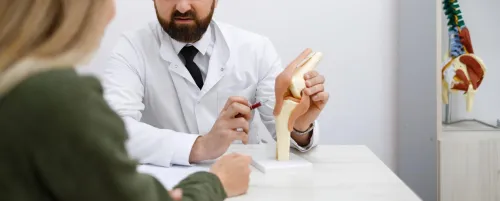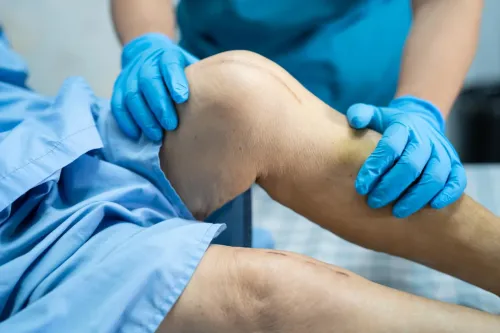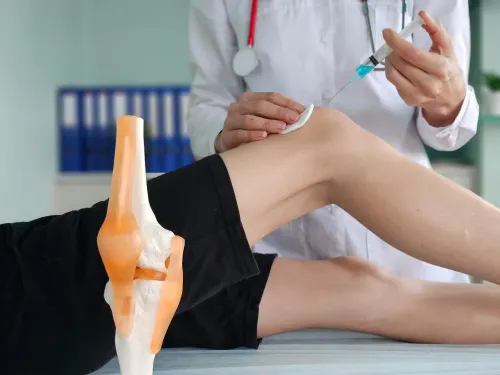
A fracture can happen in an instant, whether it's due to a fall at home, a road traffic accident, a sports injury, or even a simple slip on uneven ground. While some fractures are obvious because of severe pain or deformity, others may appear similar to a sprain and go unnoticed initially. Receiving timely fracture treatment is essential to ensure proper bone healing, restore function, and reduce the risk of long-term complications.
People of all ages in Mira Road and across Maharashtra can experience fractures. Children may sustain injuries during play, adults may be affected during work or sports, and older adults are often at higher risk because of reduced bone density. Understanding what to do immediately after a suspected fracture can make a significant difference in recovery.
What Is a Fracture?
A fracture is a break or crack in a bone. The severity can range from a small hairline crack to a complete break where the bone is displaced.
Fractures may involve:
- A single clean break
- Multiple bone fragments
- A crack without complete separation
- Bone displacement
- An open injury where the bone pierces the skin
Each type requires a different treatment approach, making accurate diagnosis extremely important.
Common Causes of Fractures
Bones are strong, but they can break when subjected to excessive force.
Frequent causes include:
- Falls from height
- Slipping on wet surfaces
- Road traffic accidents
- Sports injuries
- Workplace accidents
- Direct impact during physical activities
- Osteoporosis-related weak bones
- Repetitive stress injuries
Older adults may develop fractures even after relatively minor falls because of reduced bone strength.
Signs of a Possible Fracture
Although symptoms vary depending on the affected bone, common warning signs include:
- Sudden severe pain
- Swelling around the injured area
- Bruising
- Difficulty moving the affected limb
- Inability to bear weight
- Visible deformity
- Tenderness when touched
- A snapping sensation at the time of injury
An open wound with exposed bone requires immediate emergency medical care.
First Aid Before Reaching a Hospital
Knowing how to respond immediately after an injury can help prevent further damage.
Keep the Injured Area Still
Avoid unnecessary movement. Trying to straighten or reposition the injured limb may worsen the injury.
Apply Ice
Place an ice pack wrapped in a cloth over the injured area for short intervals to help reduce swelling.
Control Bleeding
If there is an open wound, apply gentle pressure using a clean cloth while avoiding direct pressure on exposed bone.
Support the Limb
Use a temporary splint or sling if available to minimise movement until medical care is received.
Avoid Eating or Drinking
If surgery becomes necessary, your doctor may recommend avoiding food or drinks beforehand.
How Fractures Are Diagnosed
A detailed examination helps determine the location and severity of the injury.
Assessment usually includes:
- Medical history
- Physical examination
- X-rays
- CT scan for complex fractures
- MRI when soft tissue injuries are also suspected
Imaging helps identify whether the fracture is stable, displaced, or involves nearby joints.
Treatment Options
Treatment depends on the type of fracture, patient age, bone involved, and overall health.
Non-Surgical Treatment
Many fractures heal successfully without surgery.
Conservative treatment may involve:
- Casting
- Splinting
- Bracing
- Activity restriction
- Regular follow-up X-rays
These methods help keep the bone properly aligned while healing occurs naturally.
Surgical Treatment
Certain fractures require surgery to restore normal bone alignment.
Surgery may be recommended for:
- Displaced fractures
- Open fractures
- Joint fractures
- Multiple fractures
- Unstable fractures
- Fractures that cannot be aligned with casting alone
Depending on the injury, the surgeon may use plates, screws, rods, or pins to stabilise the bone.
Recovery After a Fracture
Healing time varies depending on several factors.
These include:
- Type of fracture
- Bone involved
- Age
- General health
- Smoking status
- Nutritional health
- Compliance with rehabilitation
Physiotherapy often plays an important role in restoring strength, flexibility, and normal movement after immobilisation.
Supporting Faster Bone Healing
Patients can support recovery by following their treatment plan carefully.
Helpful habits include:
- Eating a balanced diet rich in calcium and protein
- Maintaining adequate vitamin D levels
- Avoiding smoking
- Following weight-bearing instructions
- Attending scheduled follow-up visits
- Performing rehabilitation exercises as advised
Patience is important, as returning to strenuous activities too early may delay healing.
Questions to Ask During Your Consultation
When discussing fracture treatment, consider asking:
- What type of fracture do I have?
- Will I need surgery?
- How long will healing take?
- When can I return to work or sports?
- Do I need physiotherapy?
- What signs should prompt an urgent review?
These questions help patients understand the recovery process and set realistic expectations.
Choosing Appropriate Orthopaedic Care
Proper fracture management involves more than simply placing a cast. Accurate diagnosis, careful monitoring, and rehabilitation all contribute to successful healing.
Patients in Mira Road with suspected fractures may consult Dr. Santosh Pandey for a comprehensive orthopaedic evaluation. After reviewing clinical findings and imaging results, the specialist recommends a treatment plan tailored to the nature of the fracture and the patient's lifestyle. Additional information about orthopaedic services is available through the practice's website, drsantoshpandeyorthopaedicsurgeon.com.
Timely fracture treatment not only promotes proper bone healing but also helps restore mobility, reduce complications, and support a safe return to everyday activities.
Keywords