Ongoing shoulder pain does not automatically mean you need an operation. The decision depends on whether a specific, treatable problem explains your symptoms, whether appropriate non-surgical care has failed, and whether arthroscopy offers a better result than continued therapy, open surgery, or shoulder replacement.
Key takeaways
- Investigate pain when it limits movement, strength, sleep, work, or sport.
- Confirm the diagnosis with an examination and appropriate imaging before surgery.
- Ask which arthroscopic procedure is planned and what recovery restrictions apply.
- Choose alternatives when symptoms lack a treatable cause or surgery offers little benefit.
What Makes a Shoulder Problem Persistent Enough to Investigate Further?
Persistent shoulder pain becomes worth investigating further when it causes a measurable problem, not merely because it has lasted a certain number of weeks.
Night pain that disrupts sleep, shoulder weakness, loss of motion, repeated flare-ups, or inability to work, dress, lift, or play sport deserves reassessment, especially after activity modification, guided home exercises, structured physiotherapy, appropriate pain relief, or an injection has failed to restore function.
Arthroscopy is worth discussing when examination and imaging point to a treatable source, such as a symptomatic full-thickness rotator-cuff tear, unstable labral tear, recurrent instability, persistent bursitis, impingement, acromioclavicular-joint disease, cartilage damage, or a loose body. An acute traumatic tear, substantial weakness, or declining function can make earlier repair important.
An MRI abnormality alone is not enough because cuff and labral tears also occur in pain-free shoulders. Ask which structure will be treated, what happens if another problem is found, which nonsurgical options remain, and what outcome is realistic.
| Finding | Why arthroscopy may be discussed | What prevents duration alone from deciding |
|---|---|---|
| Persistent symptoms after treatment | Indicates a need to reassess the diagnosis and remaining options | Rehabilitation may have been incomplete, or the pain source may lie elsewhere |
| Weakness or loss of function after injury | Supports a repairable cuff or instability problem | Tissue quality, arthritis, and tear pattern affect repair value |
| Severe pain with advanced arthritis | Prompts discussion of surgical planning | Arthroscopy does not restore lost cartilage; shoulder replacement may fit better |
What Must Be Confirmed Before Arthroscopy Is Recommended?
A clinician should recommend arthroscopy only when the symptoms match a specific, repairable shoulder lesion and a reasonable non-surgical plan has failed.
1. The history identifies the likely pain source. Ask about an injury, repeated dislocations, night pain, weakness, catching, loss of motion, and which activities trigger symptoms. Persistent pain alone does not prove that a tear is causing it.
2. Examination tests strength, range of motion, instability, and tenderness around the rotator cuff, labrum, acromioclavicular joint, and bursa. A stiff shoulder points toward a different treatment pathway from an unstable shoulder or isolated weakness.
3. Imaging must match the examination. X-rays show arthritis, bone loss, or joint changes; ultrasound or MRI can show a rotator-cuff or labral tear, cartilage damage, loose bodies, or bursitis. The clinician also assesses tear location, tissue quality, muscle wasting, arthritis, and instability because an MRI abnormality can exist without causing symptoms.
4. Non-surgical treatment needs a fair trial unless early repair is important, such as after a traumatic cuff tear or recurrent instability with a repairable labral injury. This plan may include activity modification, structured physiotherapy, guided home exercises, pain relief, anti-inflammatory medicine when suitable, and shoulder injections.
Before agreeing, ask which structure will be treated, what happens if another problem is found, and what improvement is realistic. Isolated decompression for “impingement” is difficult to justify without another repairable lesion.
Which Shoulder Conditions Can Arthroscopy Treat, and What Operation Is Used?
The operation follows the structure causing pain, weakness or instability—not the duration of symptoms. A scan finding alone does not choose the procedure: the surgeon matches it with your examination, symptoms, tissue quality, activity demands and response to non-surgical care.
| Condition | Arthroscopic procedure | What it addresses |
|---|---|---|
| Rotator-cuff tear | Debridement for a small, frayed tear; rotator cuff repair with anchors for a repairable symptomatic tear | Removes damaged tissue or reattaches tendon to bone |
| Labral tear | Labral repair or debridement; a biceps procedure when the superior labrum and biceps tendon are involved | Stabilises or removes the damaged rim of cartilage |
| Shoulder instability | Labral repair and capsular tightening, commonly for a Bankart lesion | Reduces repeated slipping or dislocation |
| Subacromial bursitis | Bursectomy | Removes an inflamed bursa when it remains painful after treatment |
| Impingement | Bursectomy with selective acromioplasty | Creates space when a hooked or prominent acromion contributes to tendon irritation |
| Acromioclavicular joint problem | Distal clavicle excision | Removes the painful end of the collarbone |
| Cartilage damage or selected joint problems | Chondroplasty or debridement | Smooths unstable cartilage or removes loose damaged tissue |
| Loose bodies | Arthroscopic removal | Extracts fragments that catch, lock or restrict movement |
A tear may need repair, while nearby inflammation needs only removal; those operations have different rehabilitation times and strength outcomes. Ask which structure will be treated, what happens if another lesion is found, and whether an injection, physiotherapy or activity modification remains reasonable.
When Is Arthroscopy the Wrong Choice?
Persistent pain alone does not justify arthroscopy. Continue rehabilitation when strength and function are acceptable, imaging shows an incidental tear, or you have not completed a structured programme after activity modification, physiotherapy, and home exercises. A first dislocation also does not automatically require stabilisation.
Choose the alternative that matches the problem:
| Option | What it addresses | When it is preferable to arthroscopy |
|---|---|---|
| Continued rehabilitation | Weakness, stiffness, or pain without a repairable lesion | Symptoms are improving, function remains usable, or the MRI finding does not match the examination |
| Injection | Inflammation and short-term pain control | Bursitis or synovitis limits rehabilitation; it does not repair a tendon or restore lost cartilage |
| Open surgery | A repair or reconstruction that needs direct access | Severe bone loss, complex instability, or a reconstruction unsuitable for arthroscopic anchors |
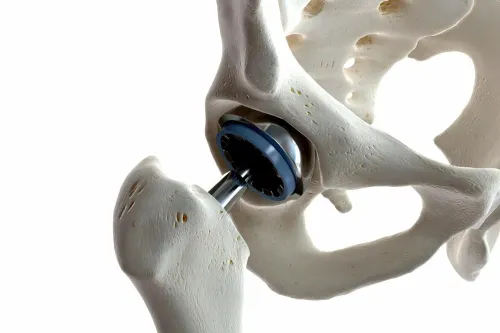
| Shoulder replacement | End-stage joint failure | Advanced glenohumeral arthritis causes severe pain and disability despite nonsurgical care |
| Reverse shoulder replacement | Arthritis combined with an irreparable rotator cuff tear | The cuff cannot provide the movement needed for a conventional replacement |
Arthroscopy cannot reverse cartilage loss. Lavage or debridement may provide temporary relief in an arthritic shoulder, but shoulder replacement deserves discussion when pain, night symptoms, and loss of function remain severe.
An irreparable rotator cuff tear may also make simple arthroscopic debridement a poor solution if weakness dominates. Your surgeon must assess tendon quality, muscle wasting, bone loss, and arthritis before choosing between repair, open reconstruction, or replacement.
What Happens During Recovery, and What Should You Ask the Surgeon?
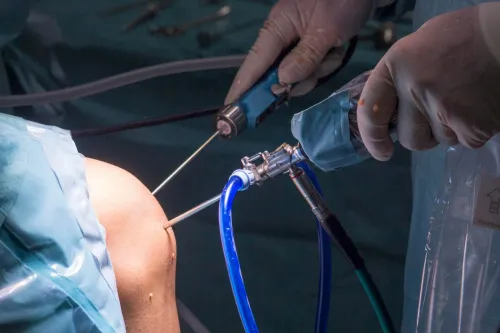
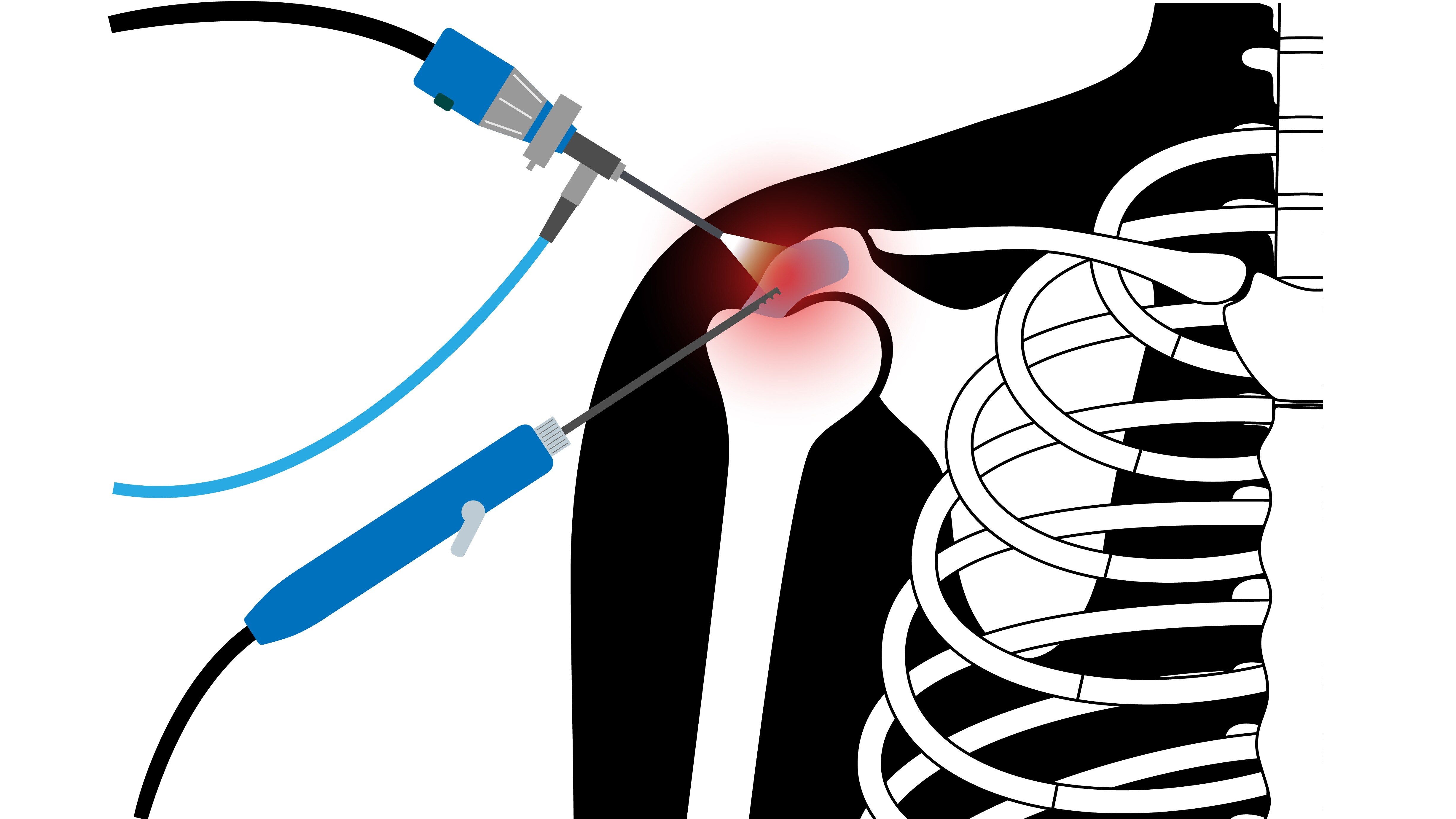
Most shoulder arthroscopies use general anaesthesia, sometimes combined with a nerve block for early pain control. Through small portals, the surgeon inserts a camera and instruments to inspect the joint and subacromial space; this diagnostic arthroscopy can confirm, refine, or contradict the scan findings.
Treatment depends on what is found. Arthroscopic debridement removes damaged tissue, while repair anchors reattach a torn rotator cuff or labrum to bone. Arthroscopic stabilisation repairs instability-related labral or capsular damage. Subacromial decompression removes inflamed bursal tissue or reshapes bone, but decompression alone has little meaningful benefit over placebo surgery for uncomplicated impingement.
Same-day discharge means you go home after monitoring, not that recovery is complete. Risks include infection, bleeding, anaesthetic complications, nerve injury, stiffness, persistent pain, and failure or re-tearing of a repair. A cuff repair usually needs sling protection, staged motion, and later strengthening; heavy work and sport can remain restricted for several months.
Ask the surgeon:
- Which structure will you treat, and what procedure is most likely?
- What would you do if arthroscopy finds a different problem?
- What nonsurgical option remains, and what outcome is realistic?
- Will I need an anchor, sling, nerve block, or overnight observation?
- When can I drive, work, lift, and resume sport?
- What complication or rehabilitation failure would change the plan?
Dr. Santosh Pandey should explain whether the proposed operation matches your symptoms, examination, imaging, tissue quality, and treatment goals—not pain duration alone.
Related service
Arthroscopy Procedures by Dr. Santosh Pandey – Orthopedic Surgeon Dr. Santosh Pandey is an experienced orthopedic surgeon providing advanced arthroscopy procedures for the... View service → |
Frequently asked questions
When is shoulder pain persistent enough to investigate further?
Investigate persistent shoulder pain when it causes measurable problems such as restricted movement, weakness, disturbed sleep, difficulty working, or reduced sports performance.
What must be confirmed before shoulder arthroscopy is recommended?
The surgeon should confirm the diagnosis through your history, physical examination, and appropriate imaging, then assess whether non-surgical treatment has been adequate and whether arthroscopy is likely to help.
Which shoulder conditions can arthroscopy treat?
Arthroscopy can treat selected problems including rotator cuff tears, labral injuries, shoulder instability, impingement-related conditions, and some cartilage or joint problems. The operation depends on the confirmed diagnosis.
When is shoulder arthroscopy the wrong choice?
Arthroscopy is the wrong choice when there is no clear treatable problem, symptoms do not match the scan, non-surgical options have not been tried when appropriate, or the expected benefit does not justify surgical risks and recovery.
What should you ask about recovery before shoulder arthroscopy?
Ask about sling duration, pain control, physiotherapy, driving, work restrictions, lifting limits, return to sport, complication risks, and the signs that require urgent medical attention.