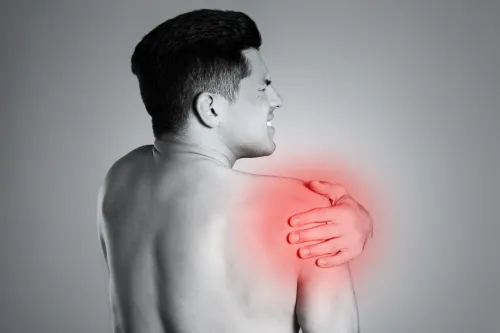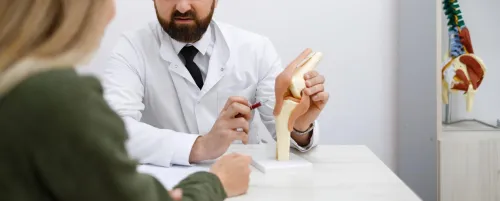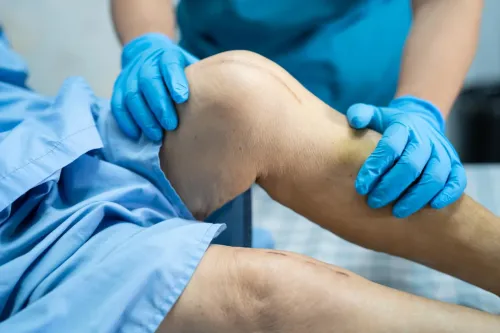
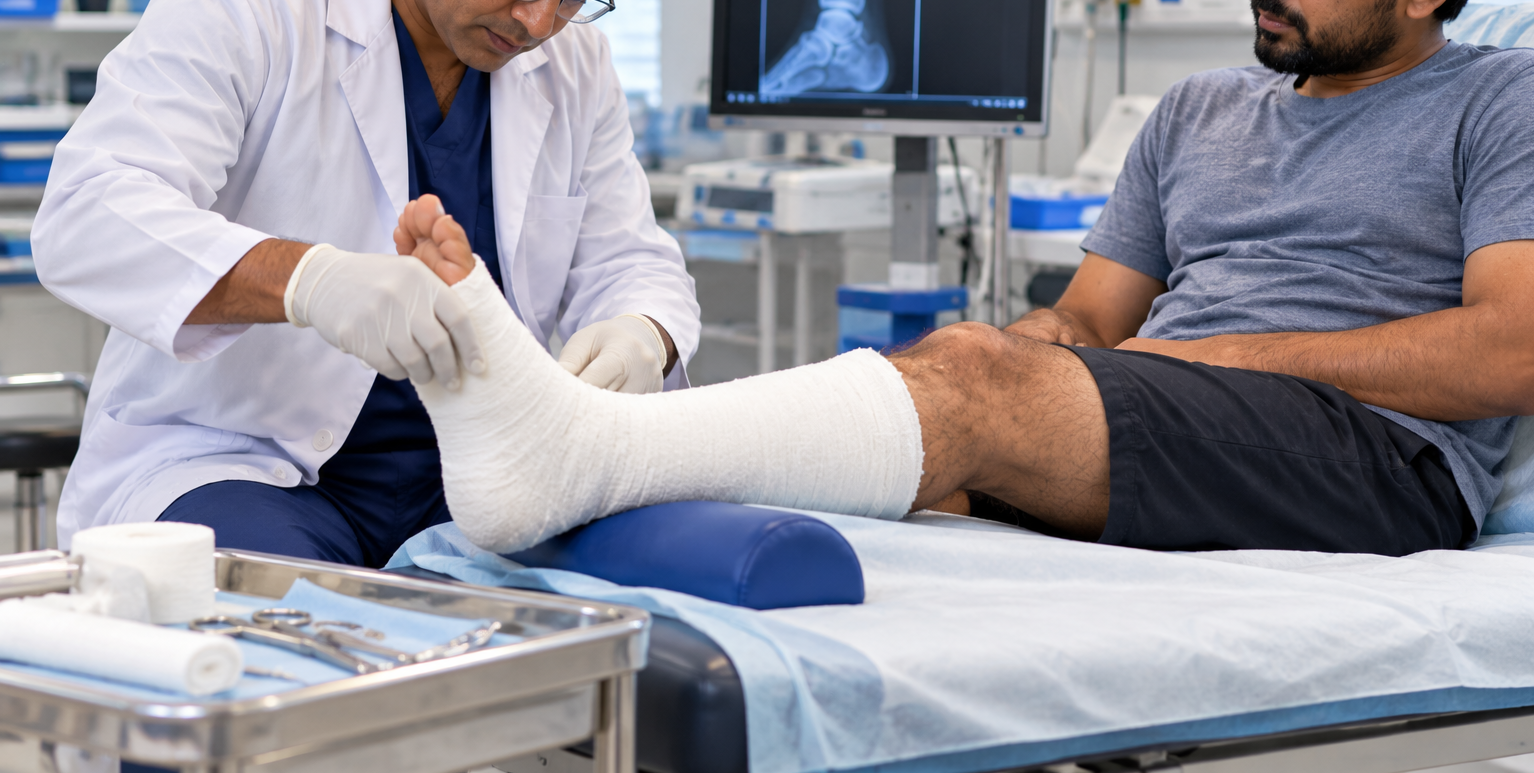
A fracture can range from a small crack in a bone to a complex injury involving displacement, joint surfaces, surrounding tissues, or multiple bone fragments. Because fracture patterns vary considerably, Fracture treatment should be based on the location and nature of the injury rather than assuming that every broken bone requires the same type of care.
For patients in Mira Road and nearby areas of Maharashtra, timely orthopaedic assessment after a suspected fracture can help determine how the bone should be stabilised and whether additional treatment is necessary.
Recognising a Possible Fracture
Fractures commonly follow falls, sports injuries, road accidents, direct blows, and other trauma. In some individuals with weakened bones, fractures can occur after relatively minor incidents.
Possible signs include:
- Significant pain after injury
- Swelling
- Bruising
- Difficulty using the affected limb
- Pain while bearing weight
- Tenderness over a bone
- Visible deformity
- Reduced movement
Not every fracture produces dramatic deformity. Some people can still move an injured limb despite having a fracture, so movement alone cannot reliably rule one out.
X-Rays Help Define the Injury
Clinical examination helps identify the area of concern, while imaging can confirm and characterise many fractures.
An X-ray may show the fracture location, alignment, displacement, and whether a joint is involved. CT scans or other investigations may occasionally be required for more complex injuries.
The treatment plan depends heavily on these findings.
Some Fractures Can Be Managed Without Surgery
A fracture does not automatically require an operation.
When the bone is in an acceptable position and is expected to remain stable during healing, conservative management may be appropriate.
This can involve a splint, cast, brace, or another method of immobilisation depending on the injury.
Follow-up is important because alignment and healing may need to be checked over time.
Certain Fractures Need Surgical Consideration
Surgery may be discussed when the fracture is significantly displaced, unstable, open, involves a joint in a clinically important way, or has other features that make satisfactory healing with conservative treatment less likely.
The exact surgical approach varies according to the bone and fracture pattern.
When surgery is considered, the patient should understand why it is recommended, the intended goal, potential risks, and the expected rehabilitation process.
Healing Continues After Immobilisation Ends
Removing a cast does not necessarily mean the injured area has immediately returned to normal strength and movement.
Stiffness and muscle weakness can develop after immobilisation. Depending on the fracture, rehabilitation may be needed to restore mobility, strength, coordination, and confidence.
Returning too quickly to heavy lifting, running, contact sports, or other demanding activities may place unnecessary stress on the healing area.
Know When an Injury Needs Urgent Attention
Seek urgent medical care after trauma when there is an obvious deformity, an open wound over a suspected fracture, uncontrolled bleeding, severe swelling, loss of sensation, a cold or unusually pale limb, or other signs suggesting compromised circulation or significant injury.
These situations should not be managed through home treatment.
Dr. Santosh Pandey provides orthopaedic evaluation in Mira Road for fractures and other bone, joint, ligament, and mobility-related problems. Assessment helps determine whether conservative immobilisation, reduction, surgical management, rehabilitation, or follow-up imaging is appropriate.
Effective Fracture treatment is ultimately about more than confirming that a bone is broken. Correct alignment, stability, joint involvement, surrounding tissue condition, healing progress, and restoration of function all matter. Getting the injury properly assessed provides the foundation for choosing treatment that matches the individual fracture rather than relying on a one-size-fits-all approach.
Keywords