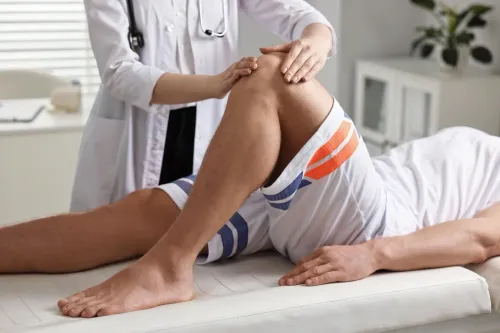

Knee pain can begin after an injury, develop gradually with arthritis, or appear when training habits and activity levels change. Because knee discomfort is so common, many people begin treating it themselves. Some short-term measures are reasonable, but repeated self-treatment without understanding the cause can delay appropriate care.
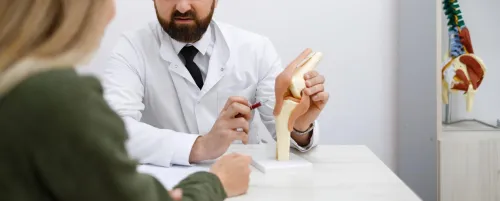
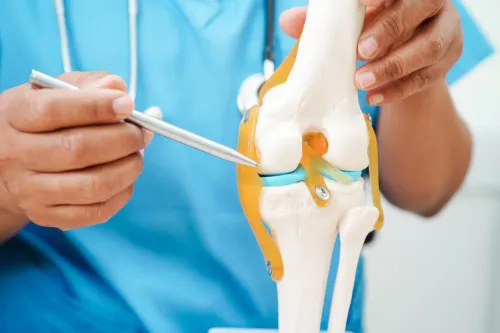
A knee pain doctor evaluates the underlying problem because similar symptoms can result from very different conditions involving cartilage, ligaments, menisci, tendons, alignment, or arthritis.
Here are several mistakes worth avoiding when knee symptoms persist.
Continuing High Impact Activity Through Significant Pain
The idea of pushing through pain is common among active people.
Mild temporary muscle soreness after exercise is different from persistent joint pain, recurrent swelling, instability, or sharp pain during movement. Continuing high-impact activity despite these symptoms can aggravate certain injuries.
Reducing the activity that triggers symptoms until the cause is understood can be more sensible than repeatedly testing the painful knee.
Depending Only on Pain Medication
Pain medication may be useful for symptom control when medically appropriate, but relief does not necessarily identify or correct the cause.
A person with a ligament injury, meniscus problem, early arthritis, or cartilage damage may experience temporary relief while the mechanical issue remains.
Medication should therefore be viewed in the context of diagnosis and a broader management strategy.
Avoiding Movement for Too Long
The opposite mistake is complete inactivity.
After some injuries, a short period of protection and rest may be appropriate. However, unnecessary prolonged inactivity can contribute to muscle weakness and stiffness.
Once it is safe to do so, structured movement and strengthening may form an important part of recovery.
The timing depends on the diagnosis.
Copying Another Patient's Treatment
A friend may recommend a brace, exercise, injection, supplement, or treatment that helped their knee. That does not mean it addresses yours.
Even two people with arthritis may have different levels of cartilage loss, alignment, mobility, muscle strength, and activity demands.
Treatment should be based on individual findings.
Ignoring Repeated Swelling
A knee that repeatedly swells after normal activity is giving useful clinical information.
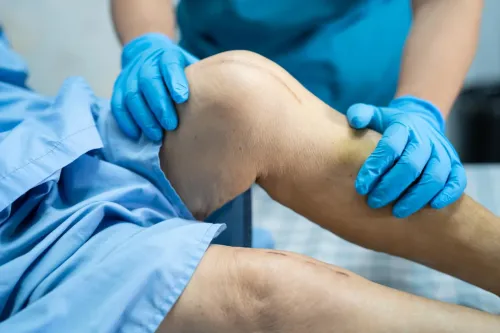
Swelling may accompany several joint conditions and should be assessed when it continues or repeatedly returns. Keeping track of when swelling appears can also help during consultation.
Assuming Every Knee Problem Needs Surgery
Surgery is one possible treatment pathway, not the automatic outcome of knee pain.
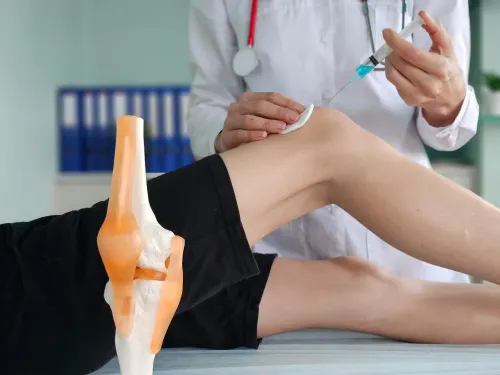
Depending on the condition, non-operative treatment can include physiotherapy, activity modification, weight management, medication, selected injections, and strengthening.
When structural damage is advanced or symptoms remain severe despite suitable conservative care, surgical treatment may then be discussed.
Delaying Assessment Despite Declining Mobility
Pain that increasingly affects stairs, walking distance, sleep, work, or daily independence deserves attention.
Patients in Mira Road and neighbouring areas of Maharashtra can consult Dr. Santosh Pandey for evaluation of persistent knee symptoms and guidance on suitable treatment pathways.
A knee pain doctor should not simply focus on making discomfort disappear temporarily. The assessment should determine where pain is coming from, how much the knee is affected, and which treatment is proportionate to the problem.
Avoiding common self-treatment mistakes can make the path to recovery clearer. When pain keeps returning, the most useful next step is often to understand the diagnosis rather than continuously changing home remedies.
Keywords