Sports injuries can affect professional athletes, recreational players, gym users, runners, and people who simply enjoy staying active. The challenge is not only treating the initial pain. The injured area also needs sufficient strength, stability, mobility, and control before demanding activity resumes.
Choosing a sports injury doctor can therefore influence how clearly the injury is diagnosed and how safely the return-to-activity process is planned.
For people participating in sports and fitness activities around Mira Road, Maharashtra, several factors are worth considering when seeking orthopaedic care.
Choose Assessment Based on the Injury Mechanism
How an injury happened often reveals important clues.
A twisting knee, direct collision, awkward landing, sudden sprint, fall onto the shoulder, and gradual pain from repeated training represent very different injury patterns.
The doctor should ask how symptoms started and assess the specific movements affected.
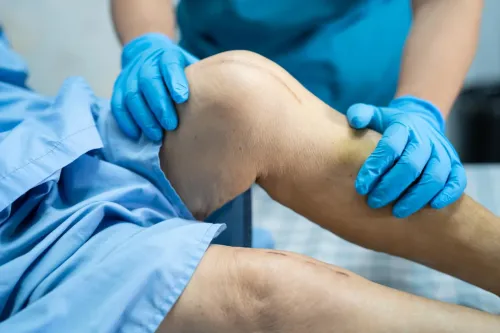
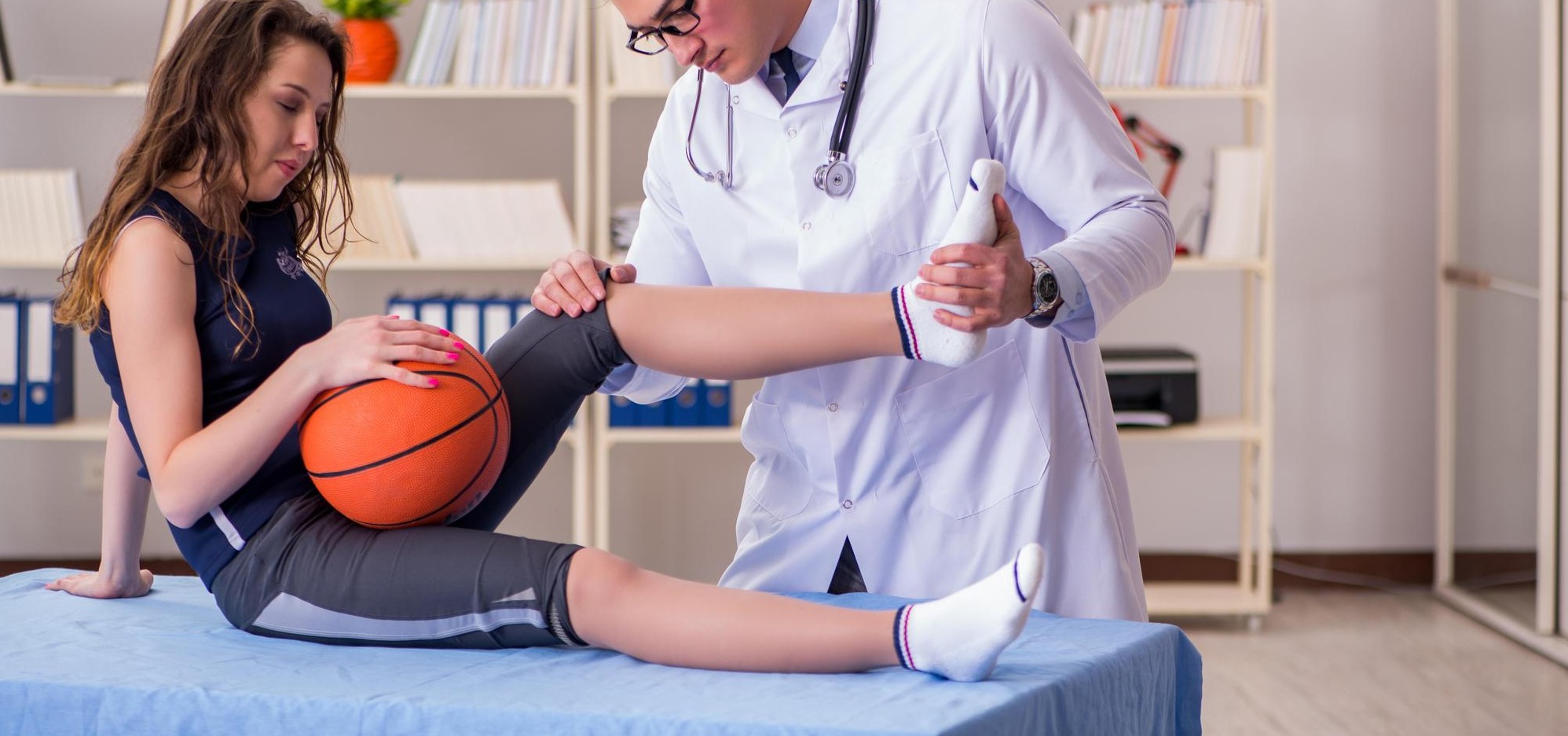
A sports-related evaluation may include joint stability, range of motion, swelling, muscle strength, tenderness, and functional movement.
Look for Selective Use of Imaging
Good assessment does not necessarily mean ordering every available scan.
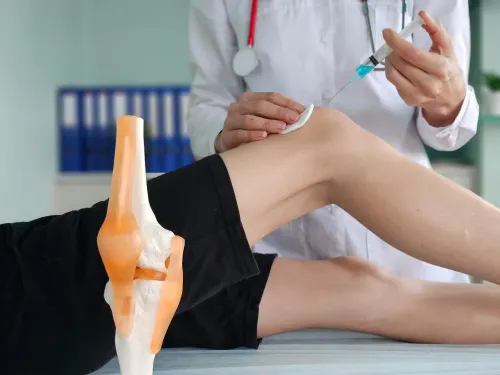
X-rays can help evaluate suspected fractures and certain bone or joint problems. MRI may be useful when ligament, cartilage, tendon, muscle, or other soft-tissue damage needs further assessment.
The appropriate investigation depends on what is suspected after clinical examination.
Patients should be able to understand why a scan is being recommended and how the result may change treatment.
Ask About Non-Surgical Recovery
Many sports injuries can be treated without surgery.
Depending on the diagnosis, management may involve temporary activity modification, rehabilitation, strengthening, mobility work, medication, and gradual progression toward sport-specific activity.
A useful treatment plan should account for what the patient wants to return to. Someone hoping to resume competitive football may have different functional requirements from a person aiming to return to recreational walking.
Understand When Surgery May Be Appropriate
Certain fractures, severe ligament injuries, recurrent instability, tendon tears, and other structural problems may require surgical consideration.
When an operation is proposed, the doctor should explain the diagnosis, expected benefit, possible risks, rehabilitation requirements, and available alternatives.
Surgery should be connected to a defined clinical problem rather than recommended simply because the patient is active.
Return to Sport Should Be Planned Carefully
One of the most important parts of recovery is deciding when to resume demanding activity.
Pain improvement is encouraging, but it is not always enough.
Depending on the injury, return-to-sport planning may consider:
- Range of movement
- Strength
- Joint stability
- Balance
- Ability to perform sport-specific movements
- Confidence in the injured area
- Absence of significant symptoms during progressive loading
Returning before these factors have adequately recovered can expose the injured structure to unnecessary stress.
Communication Matters
Patients should understand their diagnosis and recovery plan.
A sports injury doctor should be able to explain which activities are currently safe, what should temporarily be avoided, what progress should look like, and when reassessment may be needed.
Dr. Santosh Pandey evaluates sports-related orthopaedic conditions in Mira Road, including injuries affecting joints, bones, muscles, ligaments, and mobility.
Choosing specialist care is ultimately about finding a structured pathway from diagnosis to recovery. The best treatment is not necessarily the fastest route back to sport. It is the approach that allows the injured area to recover appropriately while rebuilding the physical qualities required for safe participation.
Keywords