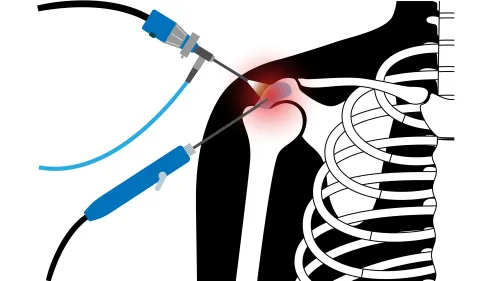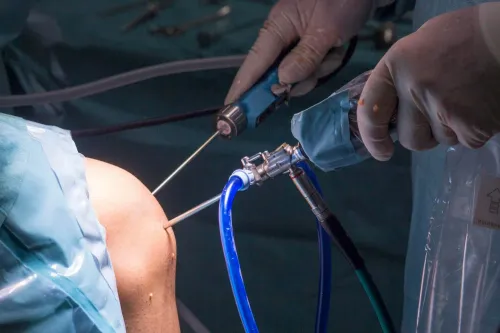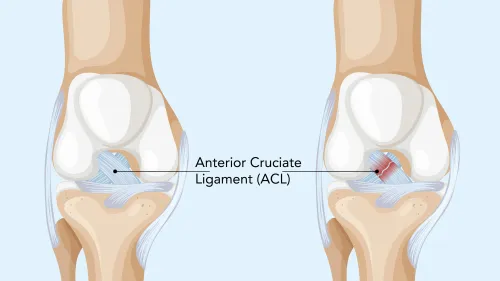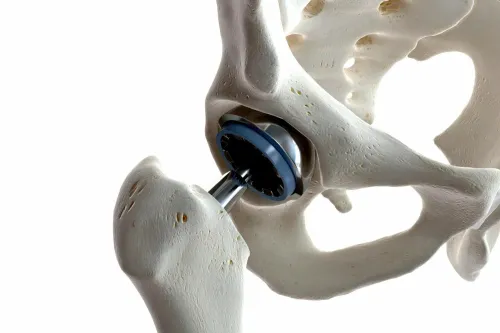

Joint pain can make ordinary activities such as climbing stairs, walking, exercising, reaching overhead, or getting out of a chair increasingly uncomfortable. When initial treatment does not provide adequate relief, Joint Injections may be discussed as one part of a broader management plan for selected musculoskeletal conditions.
They are not a universal solution for every painful joint. Their usefulness depends on the diagnosis, the joint involved, symptom severity, overall health, and the specific substance being considered.
Why Diagnosis Comes Before an Injection
Pain around a joint does not always originate from inside the joint.
For example, pain around the knee may involve cartilage, tendons, ligaments, the meniscus, or surrounding soft tissues. Shoulder pain may be related to the rotator cuff, stiffness, arthritis, or other conditions.
An injection given without understanding the likely source of pain may fail to address the underlying problem.
Before recommending an injection, an orthopaedic doctor may assess:
- Symptom duration
- Location of pain
- Swelling and stiffness
- Range of motion
- Previous injuries
- Existing medical conditions
- Previous treatments
- Relevant X-rays or scans
This evaluation helps determine whether an injection has a reasonable role in treatment.
Different Injections Have Different Purposes
The phrase joint injection can refer to different treatments. The type recommended depends on the condition and individual patient factors.
Certain injections may be used to reduce inflammation and pain in selected circumstances. Other injectable treatments may be considered according to the nature and stage of the joint problem.
Patients should understand what is being injected, why it is being recommended, what benefit is realistically expected, and whether there are limitations or potential risks.
Injections Should Not Replace Rehabilitation Automatically
Pain reduction can make movement easier, but addressing strength, flexibility, joint mechanics, body weight where relevant, and activity patterns may still be necessary.
For this reason, an injection is often best understood as one component of an overall treatment plan rather than a stand-alone cure.
Depending on the condition, the broader plan may include physiotherapy, strengthening, activity modification, medication, and lifestyle changes.
Who May Need Further Evaluation First
Not every patient is immediately suitable for an injection.
The doctor needs to consider medical history, current medications, infection risk, allergies, diabetes, blood-thinning medicines, and other relevant factors before proceeding.
If there is unexplained significant swelling, redness, fever, recent trauma, or another concerning feature, the cause should be assessed before routine injection treatment is considered.
What Patients Should Ask Before Proceeding
People considering an injection can make a more informed decision by asking practical questions such as:
- What is the diagnosis causing my pain?
- Which injection is being considered?
- What benefit is expected?
- How long may improvement last?
- What are the potential risks?
- What activity should I avoid afterwards?
- Will physiotherapy still be required?
- What happens if symptoms return?
These questions help establish realistic expectations.
For patients in Mira Road and neighbouring parts of Maharashtra, Dr. Santosh Pandey can assess whether injectable treatment has an appropriate role within an orthopaedic care plan.
Persistent joint pain deserves a diagnosis-led approach. Joint Injections can be useful for selected patients, but their value depends on choosing them for the right reason and integrating them with other measures when needed. A careful assessment is therefore more important than simply deciding to have an injection because another person with joint pain experienced relief.
Keywords