Knee pain after a twist, repeated swelling, catching, or a locked joint can point to an internal problem, but an MRI finding alone does not decide whether surgery will help. You will learn what the arthroscope shows, which problems can be treated through small portals, when non-surgical care is better, and what recovery and risks the decision involves.
Key takeaways
- An arthroscope lets the surgeon inspect the knee through small portal incisions.
- Arthroscopy can treat selected meniscus, ligament, cartilage, and patellar problems.
- Discuss non-surgical options when symptoms do not match a treatable joint problem.
- Review preparation, recovery time, complications, and alternatives before choosing surgery.
What the surgeon sees and does through the arthroscope
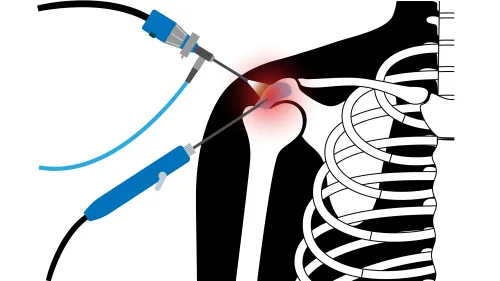
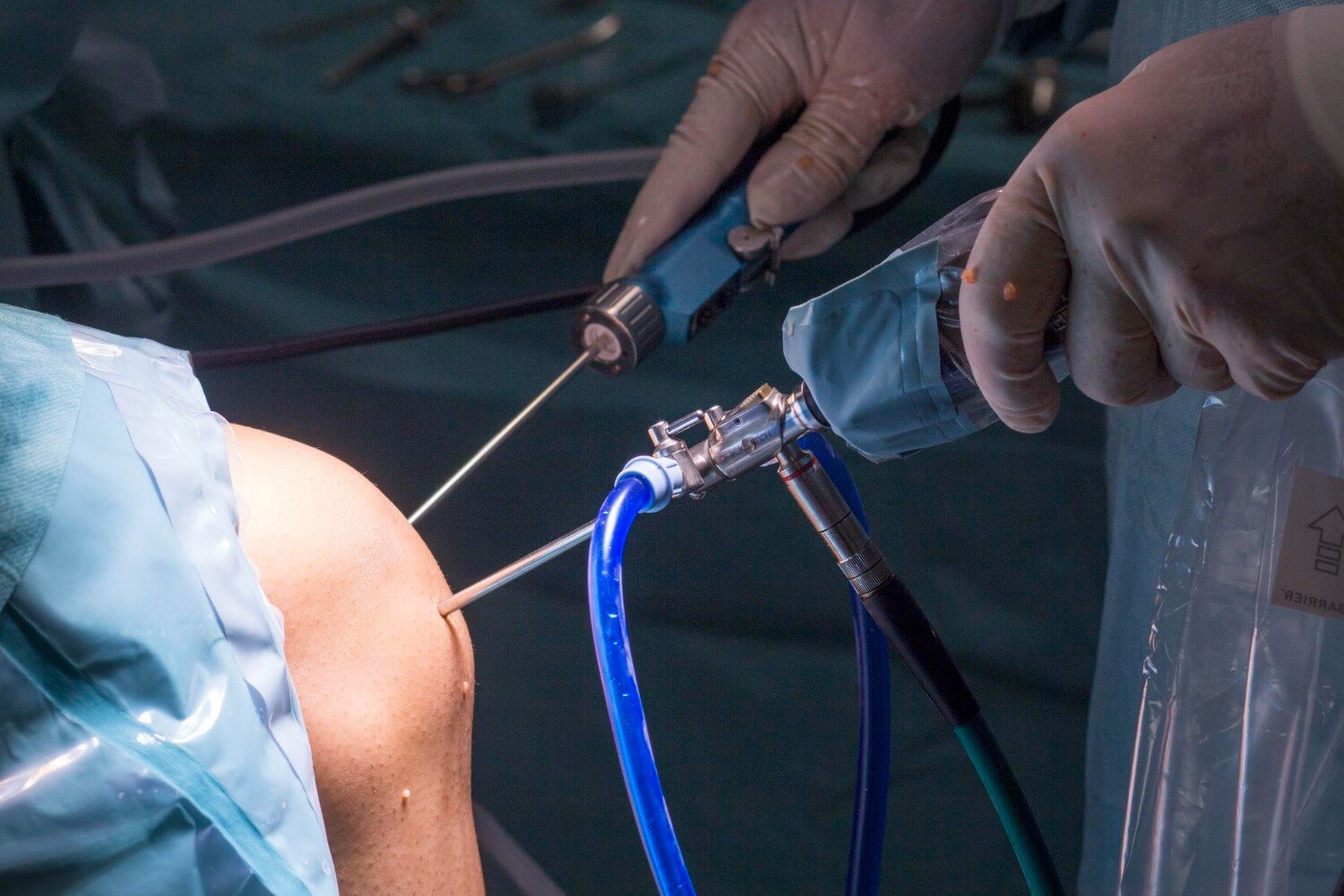
A knee arthroscopy uses a small camera, called an arthroscope, to view the joint through a portal incision. After anaesthesia, the surgeon makes additional small portal incisions and fills the knee with saline irrigation, which expands the joint and clears the camera’s view. The arthroscope sends magnified images to a monitor.
Through this view, the surgeon can inspect:
- The menisci for tears or unstable fragments
- The articular cartilage for cracks, flaps, or loose areas
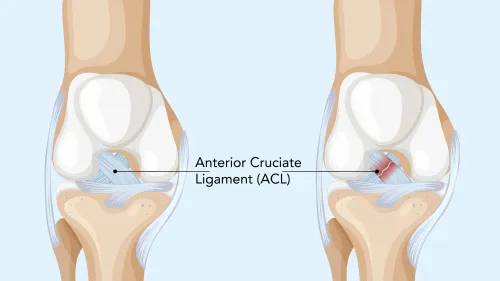
- The anterior and posterior cruciate ligaments for disruption
- The synovial lining for inflamed or abnormal tissue
- The patella’s tracking surfaces and other parts of the joint
If the inspection finds a treatable problem, the surgeon passes narrow instruments through another portal during the same operation. These instruments can remove a loose body, smooth an unstable cartilage flap, trim a damaged meniscus, repair selected tears, or remove inflamed synovial tissue. A torn anterior cruciate ligament requires reconstruction rather than camera inspection alone.
This combines diagnosis and treatment because the surgeon confirms the finding directly and then addresses it without closing the knee and scheduling a separate procedure. Arthroscopy is not usually the first diagnostic test: a history, physical examination, X-rays, and, when appropriate, MRI often provide enough information without an operation.
The camera adds value when symptoms and imaging leave an important question unanswered or when the planned treatment can follow immediately.
Which knee problems arthroscopy can directly diagnose or treat
Arthroscopy is most useful when examination and imaging point to a treatable problem inside the knee: a symptomatic meniscal tear, loose body causing locking, cartilage flap, inflamed synovial lining (synovitis), or selected ligament and patellar conditions. The surgeon can confirm the finding directly and treat it during the same operation.
A meniscal tear on MRI is not automatically the source of pain. Meniscal abnormalities become common with age and can exist without symptoms, so the scan must match your pain, locking, swelling, and examination findings.
| Option | What it shows or does | When it applies |
|---|---|---|
| Physical examination | Links symptoms to movement, tenderness, instability, or locking | First assessment for suspected internal knee problems |
| X-rays | Shows bone alignment, fractures, and osteoarthritis; not menisci or most ligaments | Suspected arthritis, injury, or bone-related pain |
| MRI | Shows menisci, ligaments, cartilage, and other soft tissues without surgery | Unclear findings or suspected internal structural injury |
| Non-surgical care | Exercise, rehabilitation, weight management, suitable medication, or injections | Degenerative pain and many injuries before an operation |
| Arthroscopy | Inspects and treats selected internal problems through small portals | A matching, treatable structural finding |
| Open surgery or knee replacement | Provides wider access or replaces severely damaged joint surfaces | Complex reconstruction or advanced osteoarthritis |
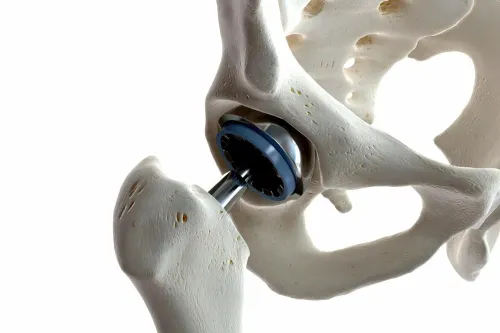
Compared with open surgery, arthroscopy usually uses smaller incisions and often allows same-day discharge, but it still carries risks such as infection, clots, stiffness, and persistent symptoms. It should not postpone rehabilitation or replace appropriate treatment for osteoarthritis; knee replacement addresses advanced joint damage, not an isolated meniscal tear.
How meniscus, ligament, cartilage, and patellar treatment is chosen
The surgeon chooses treatment by asking whether the damaged structure causes symptoms, can heal or function after treatment, and whether removing tissue would create a larger problem. MRI findings are checked against the examination and what the arthroscope shows, including tissue quality and the extent of damage.
- Meniscus: Preserve the meniscus whenever possible. Meniscus repair suits a tear with useful tissue, stable edges, and enough blood supply to support healing, especially in a younger or active knee.
A small, unstable fragment in a poorly vascular area may need a partial meniscectomy, which removes only the torn portion; removing more meniscus increases load on the cartilage and can accelerate degeneration. A stable, symptom-free tear is often left alone.
- Ligament: Anterior cruciate ligament reconstruction replaces a torn ACL with a graft; the camera procedure does not make the original ligament heal. Reconstruction is considered when instability, pivoting activity, associated injuries, or repeated giving-way makes rehabilitation alone inadequate. A stable knee can be treated with structured rehabilitation and observation.
- Cartilage: The surgeon preserves healthy cartilage and removes only a loose flap that catches or causes locking. Smoothing damaged cartilage may reduce mechanical symptoms, but it does not reverse arthritis. Diffuse cartilage loss is not a reason for routine arthroscopic trimming.
- Patella: Treatable loose cartilage or inflamed synovial tissue can be addressed arthroscopically. If pain comes from maltracking or instability, the main correction may require rehabilitation or stabilising surgery rather than simply trimming tissue.
When symptoms justify evaluation—and when arthroscopy is the wrong choice
Evaluation is justified when knee symptoms point to a specific internal problem: true locking, catching, recurrent swelling after activity, or giving way with an injury. Examination findings such as a joint-line tenderness, restricted movement, instability, or a palpable loose body strengthen that case.
| Finding | Arthroscopy more suitable | Arthroscopy less suitable |
|---|---|---|
| MRI result | Tear, loose body, cartilage flap, synovial disorder, or ligament injury matches your symptoms and examination | An incidental meniscal tear with no locking or matching examination finding |
| Age and activity | Any age when a repairable injury limits work, sport, or daily movement | Middle-aged or older adult with a degenerative tear and no true mechanical locking |
| Arthritis severity | Minimal arthritis with a separate mechanical target | Moderate or advanced osteoarthritis causing broad, persistent pain and stiffness |
| Previous surgery | Recurrent symptoms with a clearly identified problem after the earlier operation | Unexplained pain after surgery, extensive scarring, or no treatable lesion on imaging |
MRI is not a surgical instruction. Meniscal abnormalities become common with age, so exercise-based physical therapy can match partial meniscectomy for long-term function in degenerative tears without locking. Arthroscopy is the wrong first choice for diffuse pain, normal movement, or symptoms arising from bone, tendons, bursae, the hip, or spine.
Your activity level affects the decision because a repair or reconstruction must justify its rehabilitation demands. Dr. Santosh Pandey can weigh your examination, radiographs, MRI, arthritis pattern, previous operations, and goals before recommending surgery rather than treating an image alone.
Related service
Arthroscopy Procedures by Dr. Santosh Pandey – Orthopedic Surgeon Dr. Santosh Pandey is an experienced orthopedic surgeon providing advanced arthroscopy procedures for the... View service → |
What preparation, recovery, and risks mean for your decision
Before surgery, expect a medication review covering blood thinners, diabetes medicines, allergies, supplements, and previous anaesthesia problems. Arrange medical clearance when another illness or the planned anaesthetic requires it, follow fasting instructions exactly, and ask whether you will go home the same day.
Confirm the planned procedure, weight-bearing limits, brace or crutches, and whether repair could replace trimming if findings allow it.
| Procedure | Early course | Rehabilitation trade-off |
|---|---|---|
| Diagnostic or minor trimming | Walking and routine activity may return relatively quickly | Less protection, but pain or swelling can persist |
| Meniscal repair or cartilage procedure | Restricted loading or bracing may be required | Longer rehabilitation to protect the repair |
| ACL reconstruction | Crutches, exercises, and staged return to activity | Months of rehabilitation; the graft does not heal because a camera was used |
The operation still carries infection, bleeding, blood clots, nerve or blood-vessel injury, stiffness, persistent symptoms, and anaesthesia complications. A meniscal tear on MRI can be incidental, so treating the scan rather than matching it to your symptoms and examination can expose you to surgery without solving the pain.
For degenerative disease, exercise, suitable pain relief, weight management when appropriate, education, and sometimes injections are alternatives, not substitutes for rehabilitation.
Call the surgical team urgently for fever, increasing redness or drainage, severe calf swelling or pain, chest pain, breathlessness, a cold or numb foot, or pain that escalates despite the prescribed plan. Before consenting, ask:
- What finding makes surgery more useful than non-surgical care?
- What happens if you find arthritis or a different tear?
- When can you drive, work, kneel, and return to sport?
- What result would require a second operation?
Frequently asked questions
What does a surgeon see and do through an arthroscope?
The surgeon views magnified images of the knee on a monitor after inserting a camera through a small portal incision. Additional portals allow instruments to remove, repair, or smooth damaged tissue.
Which knee problems can arthroscopy diagnose or treat?
Arthroscopy can directly assess selected meniscus tears, ligament injuries, cartilage damage, loose bodies, and problems affecting the kneecap. Whether it treats the problem depends on the location, severity, and tissue involved.
How is treatment chosen for meniscus, ligament, cartilage, or patellar problems?
The choice depends on the injury pattern, tissue quality, knee stability, symptoms, activity goals, and imaging findings. Options include repair, reconstruction, removal of unstable tissue, or non-surgical care.
When is arthroscopy the wrong choice?
Arthroscopy is not the right treatment for every painful knee. It may offer little benefit for pain caused mainly by widespread osteoarthritis without a repairable mechanical problem, so evaluation should compare surgery with rehabilitation, medication, injections, or other options.
What preparation, recovery, and risks should you consider?
Ask about anaesthesia, medicines to stop or continue, transport home, weight-bearing limits, physiotherapy, work restrictions, and expected recovery. Risks include infection, blood clots, bleeding, stiffness, nerve or blood-vessel injury, and persistent symptoms.