Tingling fingers, numbness during the night, or weakness while holding everyday objects are symptoms many people ignore until they begin affecting work and daily life. While occasional hand discomfort may result from temporary strain, persistent symptoms could indicate carpal tunnel syndrome, a condition caused by pressure on the median nerve as it passes through the wrist. When conservative treatments no longer provide relief, carpal tunnel surgery may become an appropriate treatment option.
People who spend long hours typing, using tools, driving, sewing, cooking, or performing repetitive hand movements are more likely to develop this condition. Residents of Mira Road and other parts of Maharashtra frequently seek medical advice when symptoms begin interfering with their occupation, sleep, or routine activities.
What Is Carpal Tunnel Syndrome?
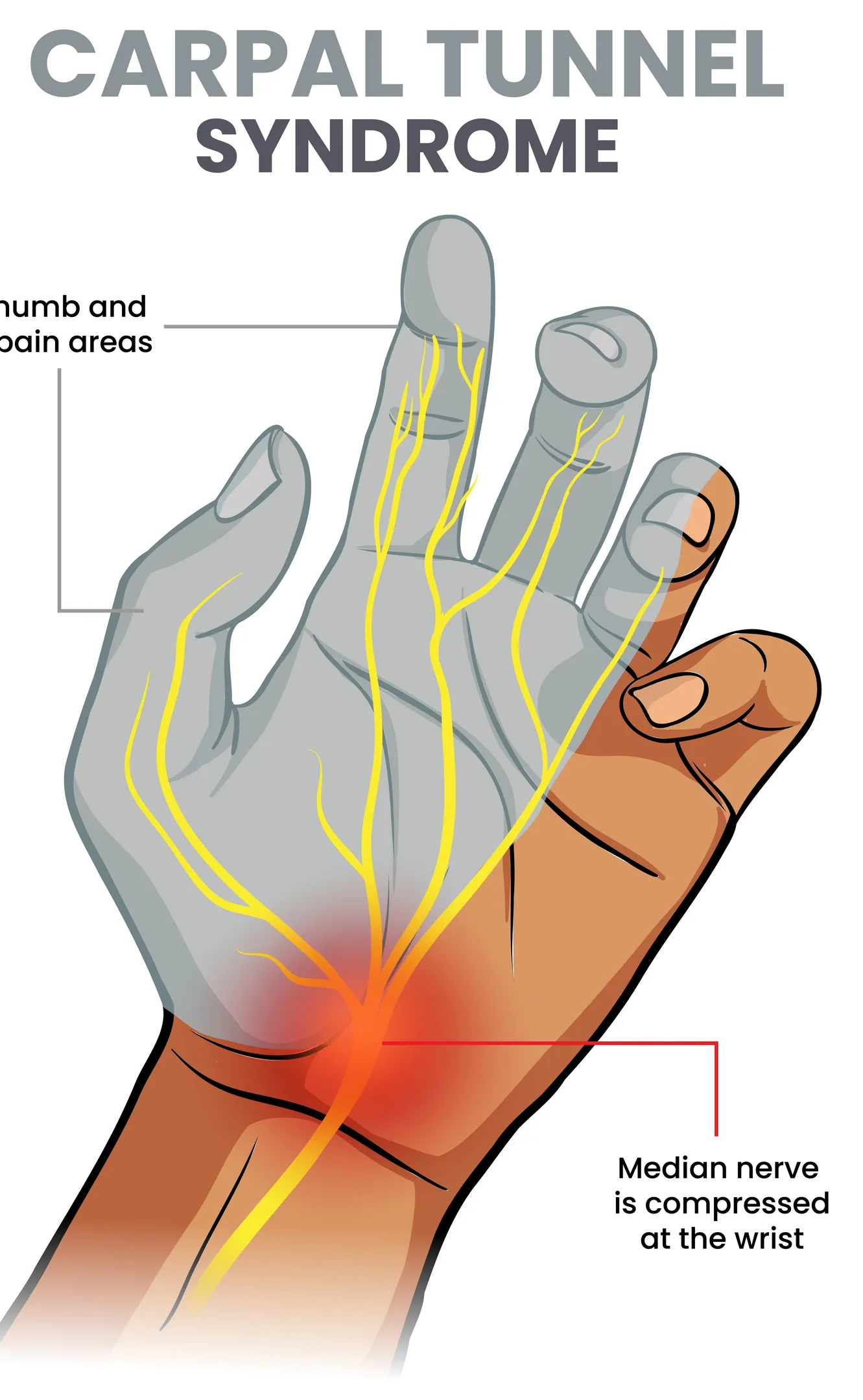
The carpal tunnel is a narrow passage in the wrist through which the median nerve and several tendons travel into the hand. When pressure builds inside this tunnel, the median nerve becomes compressed, leading to pain, numbness, and weakness.
The condition often develops gradually and may worsen over time if left untreated.
Common Causes of Carpal Tunnel Syndrome
Several factors may contribute to increased pressure on the median nerve.
These include:
- Repetitive hand movements
- Prolonged keyboard or mouse use
- Wrist injuries
- Diabetes
- Rheumatoid arthritis
- Pregnancy-related fluid retention
- Thyroid disorders
- Obesity
- Anatomical variations of the wrist
Sometimes, no single cause can be identified.
Symptoms You Should Not Ignore
Early symptoms may appear only occasionally, but they often become more frequent as the condition progresses.
Common symptoms include:
- Tingling in the thumb, index, middle, and ring fingers
- Numbness, especially at night
- Pain that travels from the wrist into the forearm
- Weak grip strength
- Difficulty holding small objects
- Frequently dropping items
- Hand weakness during repetitive tasks
- Burning sensation in the fingers
Persistent symptoms deserve medical evaluation rather than continued self-treatment.
How Is Carpal Tunnel Syndrome Diagnosed?
Diagnosis begins with understanding the pattern of symptoms and performing a thorough examination.
The assessment may include:
- Medical history
- Physical examination of the hand and wrist
- Nerve function tests
- Grip strength evaluation
- Sensory assessment
- Nerve conduction studies
- Electromyography (EMG) when required
These investigations help confirm the diagnosis and rule out other conditions affecting the hand or neck.
Can It Be Treated Without Surgery?
Yes. Many patients improve with conservative treatment, particularly when symptoms are identified early.
Non-surgical management may include:
- Wrist splints
- Activity modification
- Anti-inflammatory medications
- Physiotherapy
- Ergonomic workplace adjustments
- Stretching and nerve-gliding exercises
These measures aim to reduce pressure on the median nerve and improve hand function.
When Is Carpal Tunnel Surgery Recommended?
Surgery may be considered when:
- Symptoms persist despite conservative treatment.
- Numbness becomes constant.
- Hand weakness progresses.
- Grip strength continues to decline.
- Nerve conduction studies show significant nerve compression.
- Daily activities are severely affected.
The decision is based on symptom severity, examination findings, and diagnostic test results.
What Happens During Carpal Tunnel Surgery?
Carpal tunnel surgery involves releasing the tight ligament that forms the roof of the carpal tunnel, thereby reducing pressure on the median nerve.
The procedure may be performed using:
- Open surgical technique
- Endoscopic technique in selected cases
The choice depends on the patient's condition and the surgeon's assessment.
Recovery After Surgery
Recovery varies from person to person.
Most patients gradually progress through the following stages:
Early Recovery
- Pain control
- Gentle finger movements
- Wound care
- Swelling reduction
Functional Recovery
- Gradual return to light hand activities
- Hand-strengthening exercises
- Improvement in grip function
- Increasing wrist mobility
The recovery timeline depends on the severity of nerve compression before surgery and individual healing.
Tips for Protecting Your Hands
Whether recovering from surgery or managing mild symptoms, healthy habits can support hand function.
These include:
- Taking regular breaks during repetitive work
- Maintaining proper wrist posture
- Using ergonomic keyboards and tools
- Performing stretching exercises
- Avoiding prolonged forceful gripping
- Managing medical conditions such as diabetes
- Seeking early medical advice if symptoms recur
Preventive measures may reduce ongoing stress on the wrist and median nerve.
Questions to Ask Before Deciding on Surgery
Before proceeding, consider asking your orthopaedic surgeon:
- Is surgery necessary in my case?
- What happens if I delay treatment?
- How long will recovery take?
- When can I return to work?
- Will physiotherapy be required?
- What are the expected outcomes of surgery?
These discussions help patients understand the benefits, limitations, and recovery process.
Choosing the Right Orthopaedic Care
Persistent numbness or weakness in the hand should not be ignored, especially when symptoms begin affecting sleep, work, or daily activities. Early diagnosis can help prevent permanent nerve damage and improve treatment outcomes.
Patients in Mira Road experiencing symptoms of carpal tunnel syndrome may consult Dr. Santosh Pandey for a comprehensive orthopaedic evaluation. After reviewing the clinical examination and nerve function studies, the specialist can recommend whether conservative management or carpal tunnel surgery is the most appropriate treatment. Additional information about orthopaedic services is available through the practice's website, drsantoshpandeyorthopaedicsurgeon.com.
Timely evaluation and appropriate treatment can help relieve nerve compression, improve hand function, and enable patients to return comfortably to their everyday personal and professional activities.
Keywords