A sudden twist of the knee while playing football, landing awkwardly after a jump, or changing direction quickly during sports can result in a serious ligament injury. One of the most commonly affected ligaments is the anterior cruciate ligament (ACL). While some ACL injuries can be managed without surgery, others may require ACL reconstruction to restore knee stability and help patients safely return to their daily activities or sports.
ACL injuries are increasingly common among young adults, recreational athletes, and fitness enthusiasts in Mira Road and across Maharashtra. Understanding when reconstruction is recommended, what the procedure involves, and how recovery progresses can help patients make informed treatment decisions.
What Is the ACL?
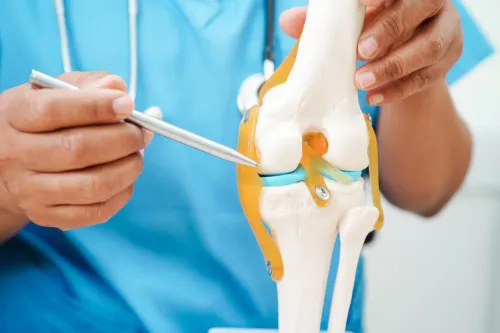
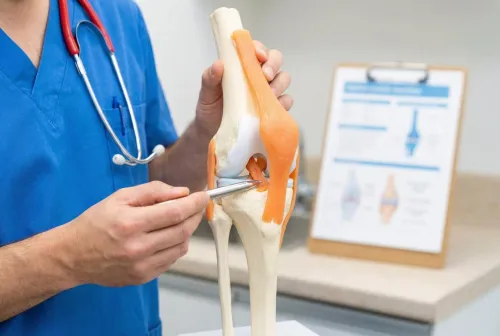
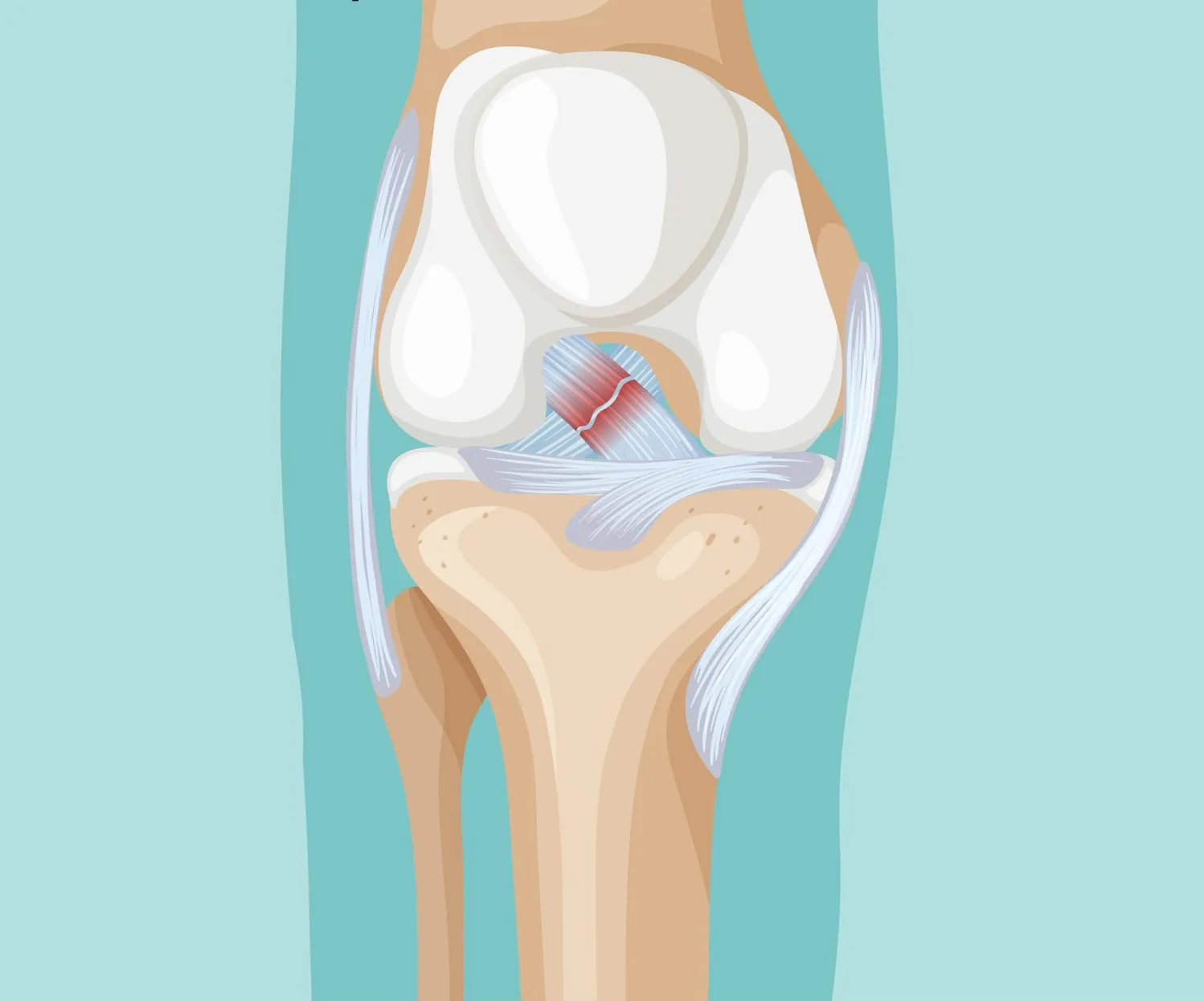
The anterior cruciate ligament is one of the four major ligaments that stabilise the knee joint. It connects the thigh bone (femur) to the shin bone (tibia) and plays a vital role in controlling forward movement and rotational stability of the knee.
When this ligament tears completely, the knee may become unstable during walking, running, or pivoting movements.
How Does an ACL Injury Occur?
Most ACL injuries happen without direct contact.
Common causes include:
- Sudden twisting while the foot remains planted
- Rapid changes in direction
- Landing incorrectly after jumping
- Sports collisions
- Road traffic accidents
- Falls during physical activity
Sports such as football, basketball, badminton, volleyball, and cricket frequently involve movements that place stress on the ACL.
Symptoms of an ACL Tear
Many patients describe hearing or feeling a 'pop' at the time of injury.
Other common symptoms include:
- Immediate knee pain
- Rapid swelling
- Difficulty walking
- Feeling that the knee may 'give way'
- Reduced range of motion
- Instability while turning or climbing stairs
Persistent instability is often one of the strongest indicators of a significant ACL injury.
How Is an ACL Injury Diagnosed?
Diagnosis involves both clinical examination and imaging.
Your orthopaedic evaluation may include:
- Detailed injury history
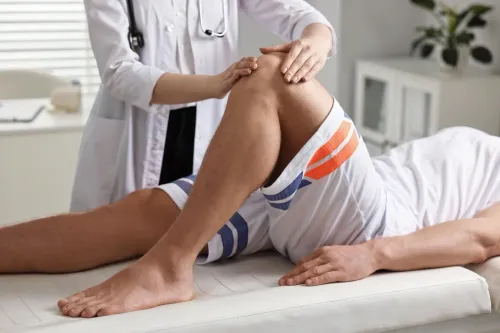
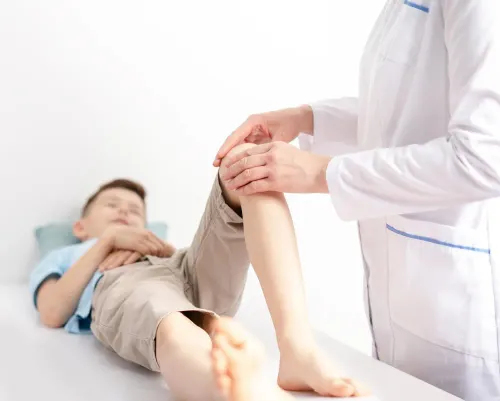
- Physical examination
- Knee stability tests
- Assessment of swelling and movement
- X-rays to rule out fractures
- MRI to confirm ligament damage and identify associated injuries
MRI is particularly useful because ACL tears are often accompanied by meniscus or cartilage injuries.
Does Every ACL Tear Need Surgery?
Not necessarily.
Some patients recover well with non-surgical management, especially if they:
- Have partial ligament injuries
- Lead relatively sedentary lifestyles
- Do not experience significant knee instability
- Are willing to modify certain physical activities
Conservative treatment may include physiotherapy, muscle strengthening, activity modification, and knee bracing.
When Is ACL Reconstruction Recommended?
Surgery is often considered when:
- The ACL is completely torn.
- The knee repeatedly gives way during daily activities.
- The patient wishes to return to pivoting sports.
- Multiple ligaments are injured.
- Meniscus or cartilage injuries are also present.
- Conservative treatment has not restored stability.
The decision is individualised after evaluating symptoms, examination findings, imaging, age, occupation, and activity goals.
What Happens During ACL Reconstruction?
ACL reconstruction involves replacing the damaged ligament with a graft.
The graft may be obtained from:
- The patient's own hamstring tendon
- The patellar tendon
- The quadriceps tendon
- A donor graft in selected cases
The procedure is commonly performed using arthroscopic techniques through small incisions, which generally minimise tissue disruption.
Recovery After ACL Reconstruction
Recovery is a structured process that requires patience and commitment.
Typical stages include:
Early Recovery
- Pain and swelling management
- Gentle knee movement exercises
- Walking with support as advised
Rehabilitation Phase
- Muscle strengthening
- Balance training
- Flexibility exercises
- Gradual improvement in knee movement
Advanced Rehabilitation
- Sport-specific exercises
- Running progression
- Agility training
- Functional assessment before returning to sports
The exact timeline varies depending on individual progress and rehabilitation goals.
Tips for a Successful Recovery
Patients can support recovery by:
- Following physiotherapy instructions consistently
- Performing prescribed home exercises
- Attending follow-up appointments
- Avoiding premature return to sports
- Maintaining good nutrition
- Reporting new swelling or instability promptly
Successful rehabilitation is just as important as the surgery itself.
Questions to Ask Your Orthopaedic Surgeon
Before deciding on surgery, consider discussing:
- Is ACL reconstruction the best option for my injury?
- What type of graft is recommended?
- How long will rehabilitation take?
- When can I drive again?
- When is it safe to return to sports?
- What can I do to reduce the risk of another ACL injury?
These questions help patients understand both the procedure and the recovery journey.
Choosing the Right Orthopaedic Care
ACL injuries can significantly affect knee stability and confidence during movement. Early assessment allows patients to understand the extent of the injury and choose the most appropriate treatment based on their lifestyle and future activity goals.
Patients in Mira Road with suspected ligament injuries may consult Dr. Santosh Pandey for a comprehensive orthopaedic evaluation. After reviewing the clinical examination and MRI findings, the specialist can recommend whether rehabilitation alone or ACL reconstruction is the most appropriate treatment. More information about available orthopaedic services can be found through the practice's website, drsantoshpandeyorthopaedicsurgeon.com.
With timely diagnosis, appropriate treatment, and dedicated rehabilitation, many patients are able to regain knee stability, improve function, and safely return to everyday activities and sports.
Keywords