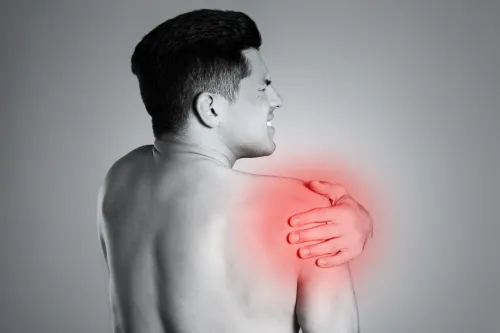
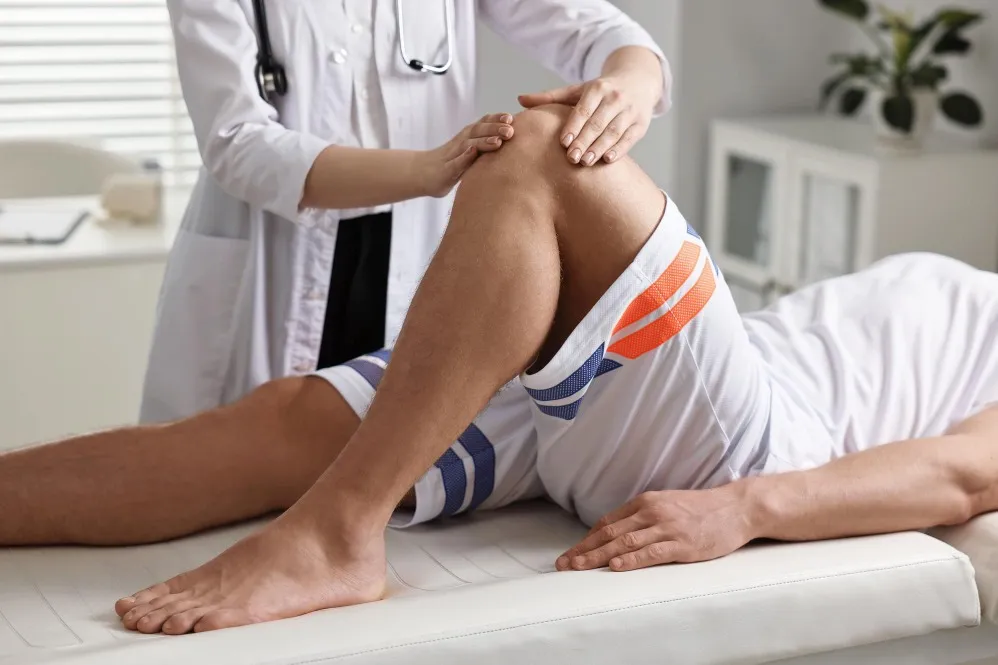
A sports injury is not always obvious immediately after it occurs. Some injuries cause sudden pain and swelling, while others develop gradually through repetitive movement, excessive training, poor technique, or insufficient recovery. A Sports Injury treatment Specialist evaluates more than the painful area alone, because successful recovery depends on identifying the injured structure and understanding how the injury affects movement.
For active individuals in Mira Road, Maharashtra, this type of assessment can be useful for injuries related to cricket, football, running, badminton, gym training, cycling, and other recreational or competitive activities.
The Injury Mechanism Provides Important Clues
One of the first questions during an assessment is how the injury happened.
A knee twisting while the foot remains planted suggests a different problem from direct impact to the knee. Similarly, shoulder pain following a fall may require a different evaluation from discomfort that gradually develops after repeated overhead activity.
The doctor may ask about:
- The exact movement that caused pain
- Whether a popping sensation was noticed
- How quickly swelling developed
- Whether the person could continue playing
- Previous injuries to the same area
- Changes in training intensity
- Current difficulty with walking or movement
These details help narrow down the structures that may have been affected.
Joint Stability Is Carefully Examined
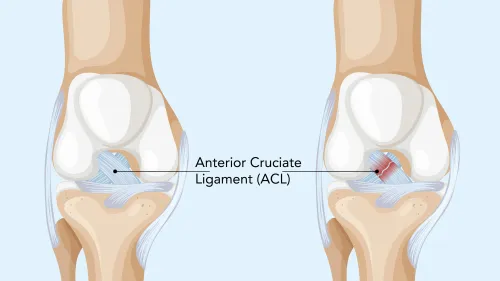
Ligaments help stabilise joints. When they are stretched or torn during sports activity, the athlete may experience instability even after the initial pain decreases.
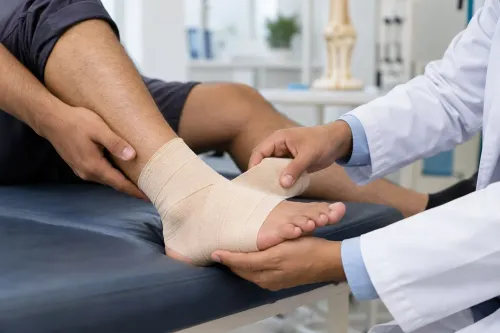
During examination, the specialist may assess joint movement and stability through appropriate clinical tests. The injured side may be compared with the unaffected side to identify differences in strength, movement, swelling, and function.
Knee ligament injuries, ankle sprains, and shoulder instability are common examples where this assessment becomes important.
Muscle and Tendon Function Matters
Sports injuries are not limited to bones and ligaments. Muscles and tendons can also become strained, irritated, or torn.
Pain during a particular movement may provide clues about which muscle-tendon unit is involved. Strength testing and movement assessment can help determine whether symptoms are related to overuse, acute injury, or another musculoskeletal problem.
Imaging Is Used When Clinically Appropriate
Not every sports injury needs an MRI. The choice of imaging depends on the symptoms, examination findings, and suspected injury.
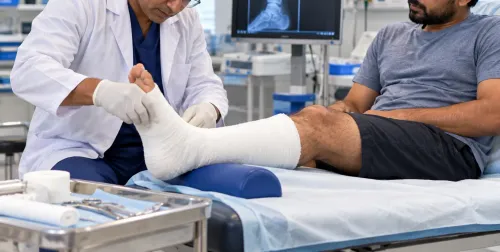
An X-ray may be useful when a fracture or bone-related problem is suspected. MRI can provide more information about ligaments, cartilage, tendons, muscles, and other soft tissues when indicated.
Using imaging selectively helps ensure that investigations answer a specific clinical question rather than replacing physical examination.
Recovery Is More Than Waiting for Pain to Stop
A common mistake is returning to sport as soon as discomfort decreases.
Pain relief does not necessarily mean that strength, stability, flexibility, and movement control have fully recovered. Returning too quickly can increase the possibility of aggravating an incompletely healed injury.
A structured recovery plan may include:
- Temporary activity modification
- Pain and swelling management
- Progressive mobility exercises
- Strengthening
- Balance and stability work
- Sport-specific rehabilitation
- Gradual return to training
The exact programme depends on the injury and individual requirements.
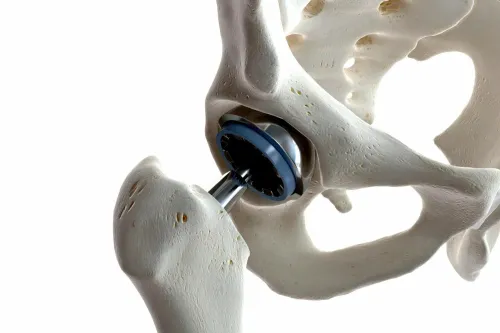
Dr. Santosh Pandey evaluates orthopaedic and sports-related injuries for patients in Mira Road, helping determine whether conservative care, rehabilitation, further investigation, or surgical treatment should be considered.
The goal after a sports injury is not simply to become pain-free. A well-planned recovery aims to restore safe, confident movement and reduce the risk of returning to demanding activity before the injured area is adequately prepared.
Keywords