A sudden twist while walking, an awkward landing during sports, or lifting something heavier than usual can leave you with pain, swelling, and difficulty moving. Many people immediately assume they have either a sprain or a strain, but these injuries are often confused because they share similar symptoms. Understanding the difference is important, as the right sprain and strain treatment depends on the tissues that have been injured.
Although sprains and strains are common, ignoring persistent symptoms or returning to normal activities too soon can prolong recovery and increase the risk of repeated injuries. People in Mira Road and throughout Maharashtra who stay physically active, work in physically demanding jobs, or spend long hours standing are particularly susceptible to these injuries.
What Is a Sprain?
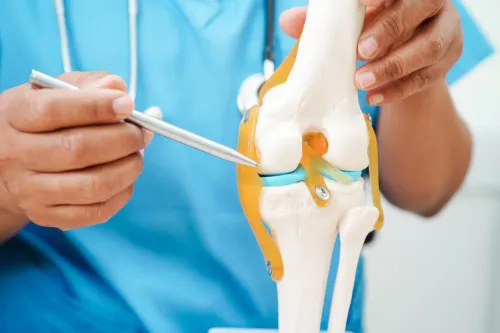
A sprain occurs when a ligament is stretched or torn. Ligaments are strong bands of tissue that connect bones to one another and help stabilise joints.
Sprains commonly affect:
- Ankles
- Knees
- Wrists
- Thumbs
- Fingers
A sprain usually happens when a joint twists beyond its normal range of movement.
What Is a Strain?
A strain affects muscles or tendons. Tendons connect muscles to bones and play an important role in movement.
Common areas affected by strains include:
- Lower back
- Hamstrings
- Calf muscles
- Shoulder muscles
- Neck
- Forearm
Strains often develop after lifting heavy objects, sudden movements, repetitive activities, or sports participation.
Common Symptoms of a Sprain
Depending on its severity, a sprain may cause:
- Sudden pain
- Swelling
- Bruising
- Joint instability
- Difficulty bearing weight
- Limited movement
- Tenderness around the joint
Severe sprains may involve complete ligament tears that require specialist evaluation.
Common Symptoms of a Strain
A muscle or tendon strain may present with:
- Muscle pain
- Tightness
- Weakness
- Muscle spasms
- Swelling
- Difficulty moving the affected area
- Pain during activity
The symptoms may appear immediately or gradually worsen over several hours.
Sprain vs Strain: How Are They Different?
Although both injuries involve soft tissues, they affect different structures.
A sprain typically involves a ligament around a joint, while a strain involves muscles or tendons.
For example:
- Twisting your ankle while stepping off a curb is more likely to cause a sprain.
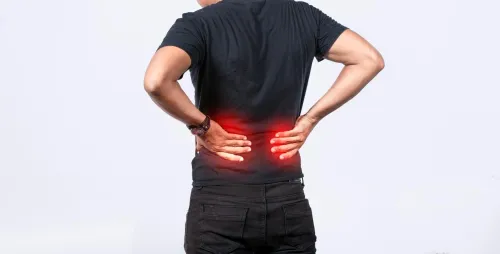
- Pulling your back while lifting a heavy box is more likely to cause a strain.
Because symptoms often overlap, professional assessment may be necessary to determine the exact injury.
Immediate First Aid
Early management can help reduce pain and swelling.
The RICE method remains one of the most commonly recommended approaches during the first 24 to 48 hours.
Rest
Avoid activities that increase pain.
Ice
Apply ice wrapped in a cloth for 15–20 minutes several times a day.
Compression
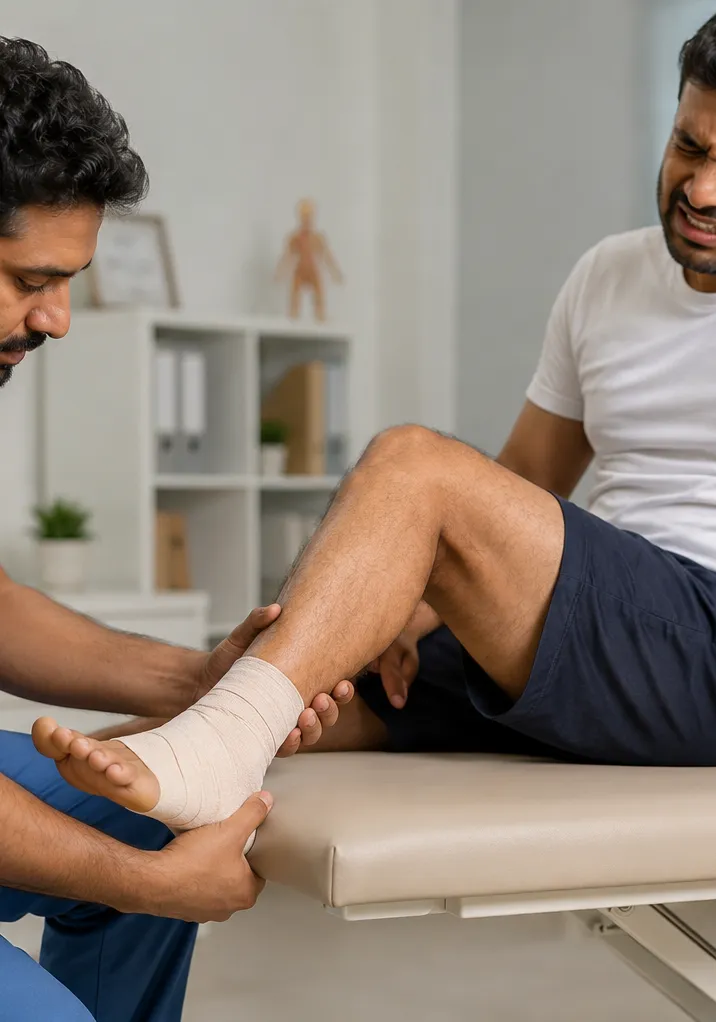
Use an elastic bandage to help reduce swelling without restricting circulation.
Elevation
Raise the injured limb above heart level whenever possible.
These measures may help control inflammation while waiting for further evaluation.
When Should You See an Orthopaedic Specialist?
Many mild injuries improve within a few days. However, certain symptoms require medical assessment.
Consult a specialist if you experience:
- Severe swelling
- Inability to walk or bear weight
- Persistent pain lasting more than a week
- Joint instability
- Visible deformity
- Recurrent injuries
- Numbness or tingling
- Pain that continues despite home treatment
These signs may indicate a severe ligament injury, tendon damage, or an associated fracture.
How Are Sprains and Strains Diagnosed?
Diagnosis begins with a detailed understanding of how the injury occurred.
Your orthopaedic evaluation may include:
- Medical history
- Physical examination
- Joint stability assessment
- Muscle strength testing
- Range of motion evaluation
- X-rays to exclude fractures
- MRI for suspected ligament or tendon injuries
- Ultrasound in selected soft tissue conditions
The findings help determine the severity of the injury and guide treatment.
Treatment Options
Treatment depends on whether the injury is mild, moderate, or severe.
Non-surgical treatment commonly includes:
- Activity modification
- Pain-relieving medications
- Anti-inflammatory medicines
- Physiotherapy
- Bracing or splinting
- Gradual rehabilitation exercises
The goal is to restore strength, flexibility, and normal function while reducing the chance of reinjury.
When Is Surgery Necessary?
Most sprains and strains heal without surgery. However, surgical treatment may be considered for:
- Complete ligament tears
- Major tendon ruptures
- Severe joint instability
- Injuries associated with fractures
- Cases where conservative treatment has not restored function
The decision depends on the patient's symptoms, activity level, occupation, and imaging findings.
Preventing Future Injuries
Simple preventive measures can reduce the likelihood of sprains and strains.
Helpful habits include:
- Warm up before exercise.
- Stretch regularly.
- Strengthen supporting muscles.
- Wear appropriate footwear.
- Avoid sudden increases in workout intensity.
- Maintain good balance and flexibility.
- Practise proper lifting techniques.
- Allow adequate recovery between training sessions.
These lifestyle measures support healthier muscles, tendons, and ligaments over time.
Choosing the Right Orthopaedic Care
Although sprains and strains are common, persistent symptoms should not be ignored. Early diagnosis helps distinguish between minor injuries and more serious conditions that require specialised treatment.
Patients in Mira Road experiencing ongoing pain after a sprain or strain may consult Dr. Santosh Pandey for a detailed orthopaedic evaluation. Based on the examination and imaging findings, the specialist recommends an appropriate treatment plan designed to support safe recovery and restore function. Further information about orthopaedic services can be found through the practice's website, drsantoshpandeyorthopaedicsurgeon.com.
With timely sprain and strain treatment, appropriate rehabilitation, and gradual return to activity, most patients can recover well and resume their normal routine with improved confidence and mobility.
Keywords