Whether you're a professional athlete, a weekend cricket enthusiast, a runner, or someone who enjoys regular fitness activities, sports injuries can happen unexpectedly. A sudden twist, awkward landing, collision, or overuse can lead to pain that affects not only your performance but also your daily routine. Knowing what to do immediately after an injury—and when to consult a sports injury doctor—can make a significant difference in recovery.
Sports-related injuries are becoming increasingly common among people of all age groups in Mira Road and other parts of Maharashtra. Participation in recreational sports, gym workouts, cycling, football, badminton, and running has increased, making awareness about proper injury management more important than ever.
Understanding Sports Injuries
A sports injury refers to damage involving muscles, bones, ligaments, tendons, cartilage, or joints that occurs during physical activity. While some injuries happen suddenly due to trauma, others develop gradually because of repetitive movements or excessive strain.
Prompt evaluation helps determine whether the injury is minor or requires specialised treatment.
Common Sports Injuries
Different sports place stress on different parts of the body. Some of the most frequently seen injuries include:
- Ligament sprains
- Muscle strains
- Knee injuries
- Ankle injuries
- Shoulder dislocations
- Rotator cuff injuries
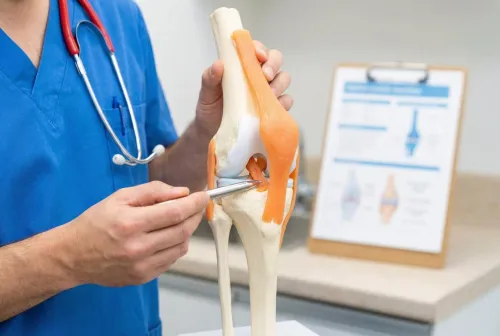
- Meniscus tears
- Stress fractures
- Tennis elbow
- Achilles tendon injuries
Each injury requires a different treatment approach, making an accurate diagnosis essential.
What Should You Do Immediately After an Injury?
The first few hours after an injury are often the most important.
A commonly recommended approach is the RICE method.
Rest
Stop the activity immediately. Continuing to play despite pain may worsen the injury and increase recovery time.
Ice
Apply an ice pack for about 15 to 20 minutes every few hours during the first 24 to 48 hours. Ice may help reduce swelling and discomfort.
Compression
Using an elastic compression bandage may help control swelling. It should be snug but not so tight that it restricts blood circulation.
Elevation
Whenever possible, keep the injured limb raised above the level of the heart to help minimise swelling.
These first-aid measures are useful for many soft tissue injuries but are not a substitute for medical evaluation when symptoms are severe.
Signs That You Should See a Sports Injury Doctor
Not every injury heals with rest alone. Certain symptoms indicate that professional assessment is necessary.
Seek medical attention if you notice:
- Severe pain immediately after the injury
- Inability to bear weight
- Significant swelling
- Joint instability
- Visible deformity
- Persistent pain lasting several days
- Limited movement
- Numbness or tingling
- Recurrent injuries involving the same joint
Ignoring these warning signs may lead to prolonged recovery or chronic joint problems.
How Sports Injuries Are Diagnosed
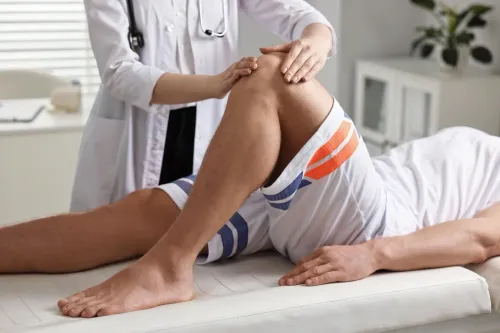
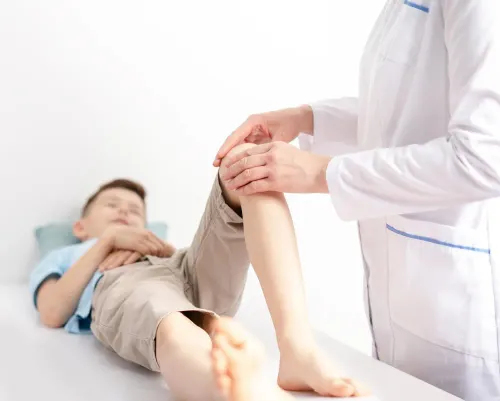
An orthopaedic evaluation focuses on identifying the exact structure involved rather than simply treating pain.
The assessment may include:
- A detailed history of how the injury occurred
- Physical examination
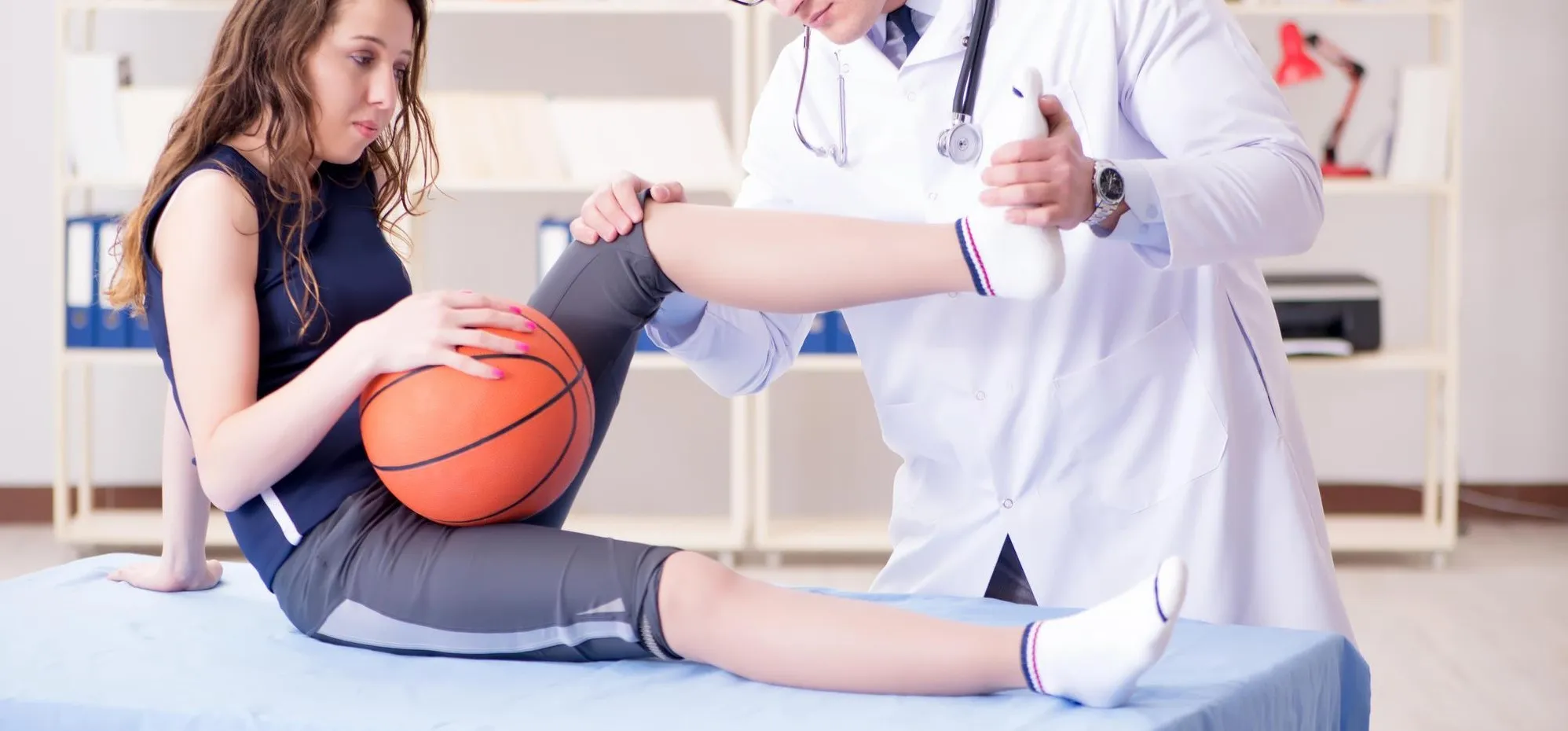
- Joint stability testing
- Muscle strength assessment
- Range of motion evaluation
- X-rays for suspected fractures
- MRI scans for ligament, cartilage, or tendon injuries
- Ultrasound in selected soft tissue conditions
The results help determine the most appropriate treatment plan.
Treatment Options
Treatment depends on the severity and type of injury.
Many patients recover successfully with conservative care, including:
- Activity modification
- Physiotherapy
- Pain-relieving medication
- Anti-inflammatory medicines
- Structured rehabilitation exercises
- Bracing when necessary
Rehabilitation is often just as important as the initial treatment because it helps restore strength, flexibility, and coordination while reducing the risk of reinjury.
When Surgery May Be Needed
Some sports injuries require surgical intervention, particularly when important structures have been significantly damaged.
Examples include:
- Complete ligament tears
- Certain tendon ruptures
- Complex fractures
- Recurrent shoulder dislocations
- Severe cartilage injuries
- Some meniscus tears
Surgery is recommended only after careful assessment of the injury, the patient's activity level, and expected functional outcomes.
Preventing Sports Injuries
Although not every injury can be prevented, adopting healthy habits can reduce the risk considerably.
Helpful preventive measures include:
- Warm up before every workout or game.
- Stretch major muscle groups regularly.
- Increase training intensity gradually.
- Wear sport-specific protective equipment.
- Use appropriate footwear.
- Maintain adequate hydration.
- Allow sufficient recovery between training sessions.
- Strengthen muscles that support major joints.
Consistency with these habits helps improve performance while lowering injury risk.
Questions to Ask During Your Consultation
If you visit a sports injury specialist, consider discussing:
- What type of injury do I have?
- Will I need imaging tests?
- Can I continue exercising during recovery?
- How long will rehabilitation take?
- What signs indicate that my injury is healing?
- When is it safe to return to sports?
Having a clear understanding of your condition helps you recover with greater confidence.
Getting the Right Orthopaedic Care
Returning to sports too soon or relying solely on painkillers can delay healing and increase the chance of repeated injuries. Early assessment allows appropriate treatment to begin before complications develop.
Patients in Mira Road experiencing sports-related injuries may consult Dr. Santosh Pandey for a detailed orthopaedic evaluation. After assessing the nature of the injury, imaging findings, and activity goals, the specialist can recommend a personalised treatment and rehabilitation plan. Additional information about available orthopaedic services is available through the practice's website, drsantoshpandeyorthopaedicsurgeon.com.
Whether you're a competitive athlete or someone who enjoys staying active, timely care from a sports injury doctor can support a safe recovery, restore mobility, and help you return to your favourite activities with confidence.
Keywords