Children are naturally active. Running, climbing, jumping, and playing are essential parts of healthy growth and development. Along the way, occasional bumps and bruises are expected. However, persistent pain, difficulty walking, or visible changes in the bones and joints should not be dismissed as 'just a phase.' Consulting a paediatric orthopaedic doctor at the right time can help identify conditions early and support healthy musculoskeletal development.
Many parents in Mira Road and surrounding areas of Maharashtra wonder whether their child's discomfort is a normal part of growth or something that requires medical attention. Understanding the warning signs can help families make informed decisions and avoid delays in treatment.
What Does a Paediatric Orthopaedic Doctor Treat?
Paediatric orthopaedics focuses on conditions affecting bones, joints, muscles, ligaments, tendons, and the growing skeleton of infants, children, and adolescents.
Unlike adults, children's bones are still developing. This means they often heal differently and may require specialised assessment to ensure normal growth is not affected.
Common conditions include:
- Bone fractures
- Congenital limb deformities
- Knock knees
- Bow legs
- Flat feet
- Clubfoot
- Hip disorders
- Scoliosis
- Sports injuries
- Growth plate injuries
- Joint infections
- Developmental bone conditions
Early diagnosis often helps achieve better long-term outcomes.
Signs That Should Not Be Ignored
While children may not always describe their symptoms clearly, certain signs deserve prompt evaluation.
Persistent Limb Pain
Pain that continues for several days without improvement or repeatedly returns should not be overlooked.
Limping Without an Obvious Injury
If a child begins limping without a clear reason, it may indicate a joint, muscle, or bone problem that requires assessment.
Difficulty Walking or Running
Children who avoid physical activities because of pain or discomfort should be examined to determine the underlying cause.
Swelling Around a Joint
Swelling following an injury or appearing without trauma may indicate inflammation, infection, or fracture.
Uneven Shoulder or Hip Levels
Visible differences in posture or body alignment may suggest scoliosis or other developmental conditions.
Delayed Physical Milestones
If a young child is significantly delayed in standing or walking, medical evaluation may help identify developmental concerns.
Common Childhood Fractures
Children's bones are generally more flexible than adult bones, but fractures remain common due to falls and sports activities.
Frequent fracture sites include:
- Wrist
- Forearm
- Elbow
- Collarbone
- Finger
- Ankle
Because children's bones contain growth plates, accurate diagnosis and proper treatment are essential to avoid future growth disturbances.
Sports Injuries in Children
Participation in sports provides many health benefits, but it also increases the risk of injuries.
Common sports-related problems include:
- Ligament sprains
- Muscle strains
- Growth plate injuries
- Knee pain
- Ankle injuries
- Shoulder injuries
- Overuse conditions
Prompt treatment allows children to recover safely and return to activity at an appropriate time.
How Paediatric Orthopaedic Conditions Are Diagnosed
Evaluation involves understanding both the child's symptoms and stage of growth.
Assessment may include:
- Detailed medical history
- Birth and developmental history
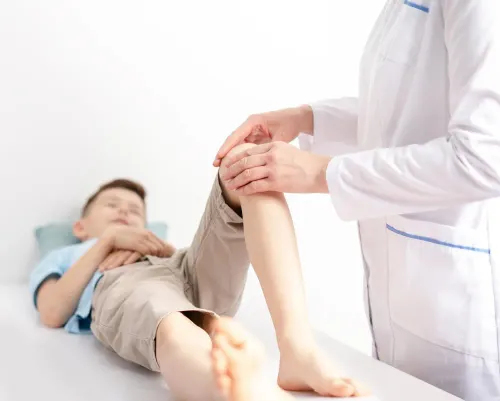
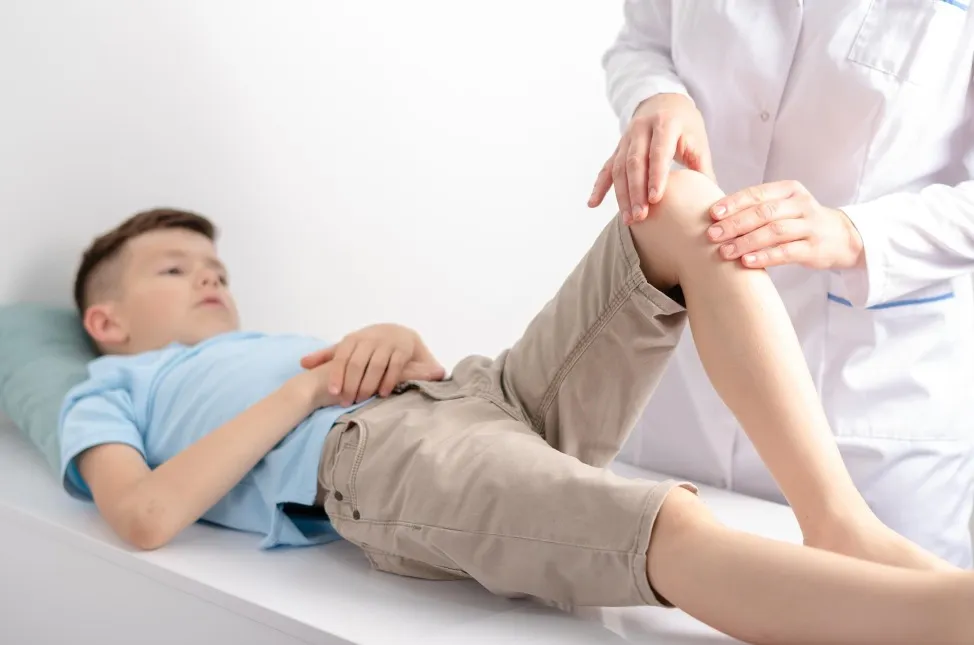
- Physical examination
- Gait assessment
- Joint movement evaluation
- X-rays
- Ultrasound for selected conditions
- MRI when soft tissue assessment is required
The findings help determine whether observation, therapy, bracing, or surgery is appropriate.
Treatment Options
Many childhood orthopaedic conditions can be managed without surgery.
Treatment may include:
- Observation and regular follow-up
- Physiotherapy
- Activity modification
- Bracing or splinting
- Casting for fractures
- Medications when appropriate
Some conditions, however, require surgical treatment to restore normal function or correct structural abnormalities.
When Surgery May Be Recommended
Surgery is considered only when it offers clear benefits for the child's long-term health and development.
Examples include:
- Certain congenital deformities
- Complex fractures
- Severe scoliosis
- Hip disorders
- Persistent joint instability
- Conditions affecting growth or function
The decision is made after carefully evaluating the child's age, growth potential, overall health, and specific diagnosis.
Supporting Healthy Bone Development
Parents can encourage healthy musculoskeletal growth through everyday habits.
Helpful measures include:
- Providing a balanced diet rich in calcium and vitamin D
- Encouraging regular physical activity
- Ensuring children use appropriate safety equipment during sports
- Promoting good posture while studying
- Seeking medical advice promptly after significant injuries
- Scheduling follow-up appointments when recommended
These simple practices contribute to healthy bone and joint development throughout childhood.
Questions Parents Can Ask During the Consultation
Being informed helps parents participate actively in their child's care.
Useful questions include:
- What is causing my child's symptoms?
- Will additional tests be required?
- Is this condition likely to improve with growth?
- Does my child need physiotherapy?
- Can my child continue participating in sports?
- How often should follow-up appointments be scheduled?
Choosing the Right Orthopaedic Care for Children
Children's orthopaedic conditions often require a different approach from adult bone and joint problems. Early assessment helps identify concerns before they interfere with growth, mobility, or daily activities.
Families in Mira Road seeking evaluation for childhood orthopaedic conditions may consult Dr. Santosh Pandey, who assesses children through a detailed clinical examination and recommends treatment based on age, growth, activity level, and the underlying diagnosis. Additional information about available orthopaedic services can be found through the practice's website, drsantoshpandeyorthopaedicsurgeon.com.
When parents recognise early warning signs and seek timely medical advice, children have a better opportunity to recover well, maintain healthy physical development, and continue enjoying everyday activities with confidence.
Keywords