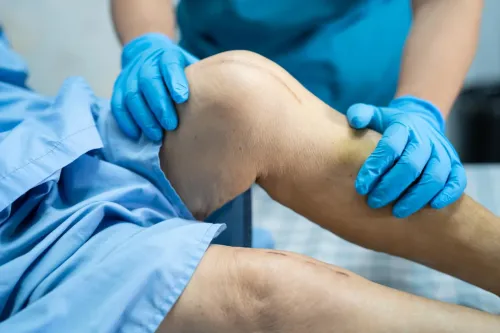
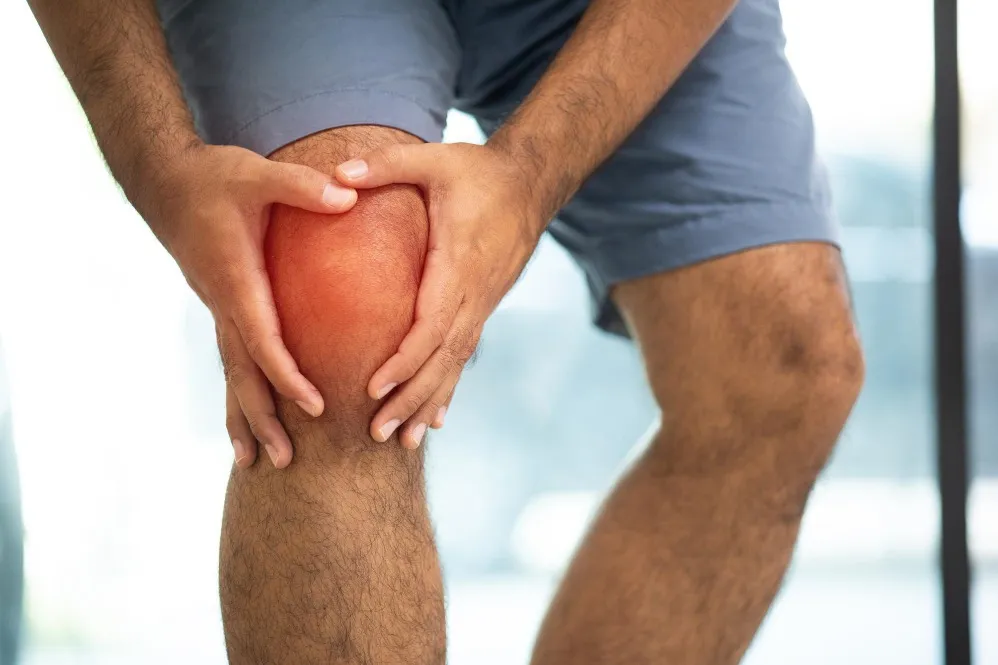
Knee pain can develop gradually over time or appear suddenly after an injury. Whether it affects climbing stairs, walking short distances, or standing for long periods, persistent discomfort should not be considered a normal part of ageing. Consulting a knee pain treatment specialist helps identify the root cause instead of simply managing symptoms.
Many knee problems respond well to early intervention, making timely evaluation an important step toward maintaining an active lifestyle.
Why Knee Pain Can Have Different Causes
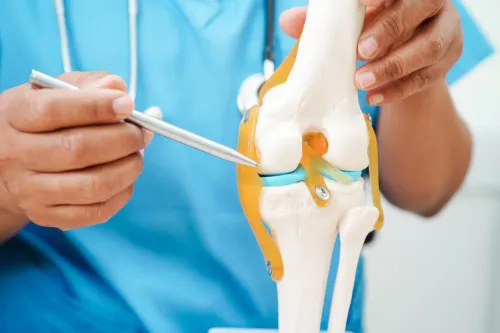
The knee is one of the body's largest and most complex joints. It relies on healthy cartilage, ligaments, tendons, muscles, and bones working together. When any of these structures are affected, pain and stiffness can occur.
Some common causes include:
- Osteoarthritis
- Meniscus injuries
- Ligament sprains and tears
- Tendinitis
- Cartilage damage
- Patellofemoral pain syndrome
- Bursitis
Since these conditions often produce similar symptoms, professional assessment is essential for accurate diagnosis.
Understanding When Pain Needs Attention
Not every episode of knee pain requires advanced treatment, but certain symptoms should not be ignored.
You should consider an orthopaedic evaluation if you notice:
- Pain lasting several weeks
- Swelling that returns repeatedly
- Difficulty bending or straightening the knee
- Clicking accompanied by pain
- Knee instability while walking
- Pain during routine activities
- Reduced ability to participate in exercise
Ignoring these symptoms may allow the condition to progress.
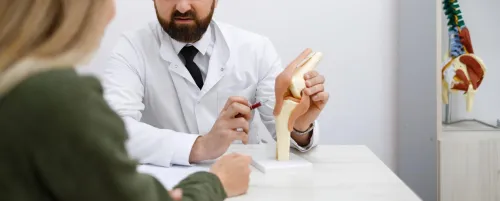
What Happens During an Evaluation
An effective treatment plan begins with understanding why the knee is painful.
Assessment may include:
- Reviewing medical history and activity level
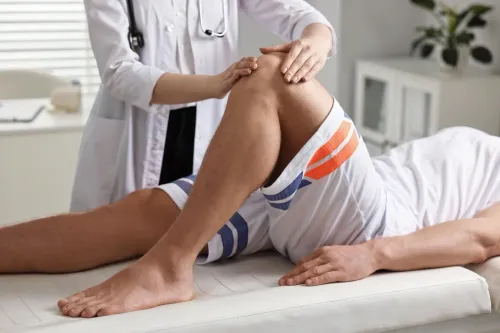
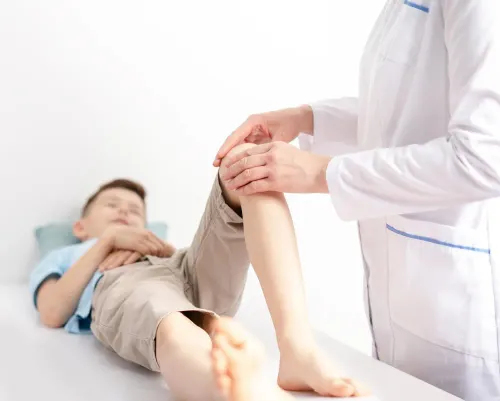
- Examining joint movement
- Checking ligament stability
- Assessing muscle strength
- Ordering X-rays or MRI scans when appropriate
This helps determine whether the pain is caused by arthritis, injury, overuse, or another orthopaedic condition.
Comparing Conservative and Advanced Treatment Options
One of the most common questions patients ask is whether surgery is necessary. In many cases, it is not.
Depending on the diagnosis, treatment may involve:
- Physiotherapy
- Weight management
- Activity modification
- Pain-relieving medication
- Bracing
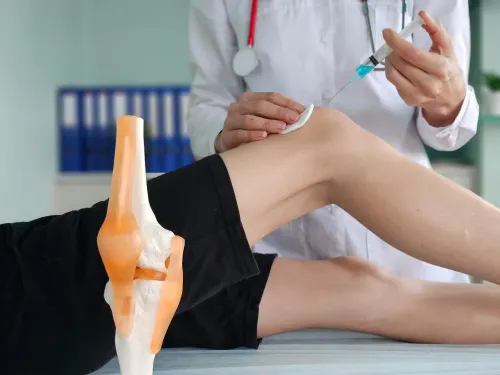
- Image-guided injections
- Surgical procedures only when conservative measures no longer provide adequate relief
The most suitable option depends on the severity of joint damage, lifestyle requirements, and long-term goals.
Small Lifestyle Changes Can Protect Your Knees
Daily habits play an important role in maintaining knee health.
Helpful measures include:
- Strengthen the thigh and hip muscles.
- Wear supportive footwear.
- Maintain a healthy weight.
- Avoid sudden increases in physical activity.
- Warm up before exercise.
- Address minor injuries before they become chronic.
These practices reduce stress on the knee joint and may slow the progression of certain conditions.
Making Informed Decisions About Knee Care
For people living in Mira Road and neighbouring parts of Maharashtra, finding the cause of persistent knee pain early can help preserve mobility and independence. Rather than relying solely on pain medication, a thorough evaluation allows treatment to be tailored to the individual's condition.
Dr. Santosh Pandey provides comprehensive assessment for a wide range of knee disorders, focusing on evidence-based care and personalised treatment recommendations.
Keywords