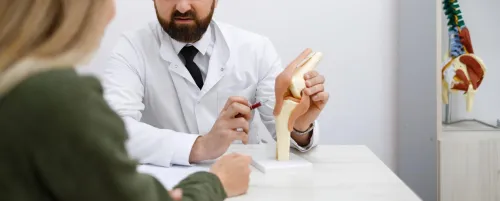
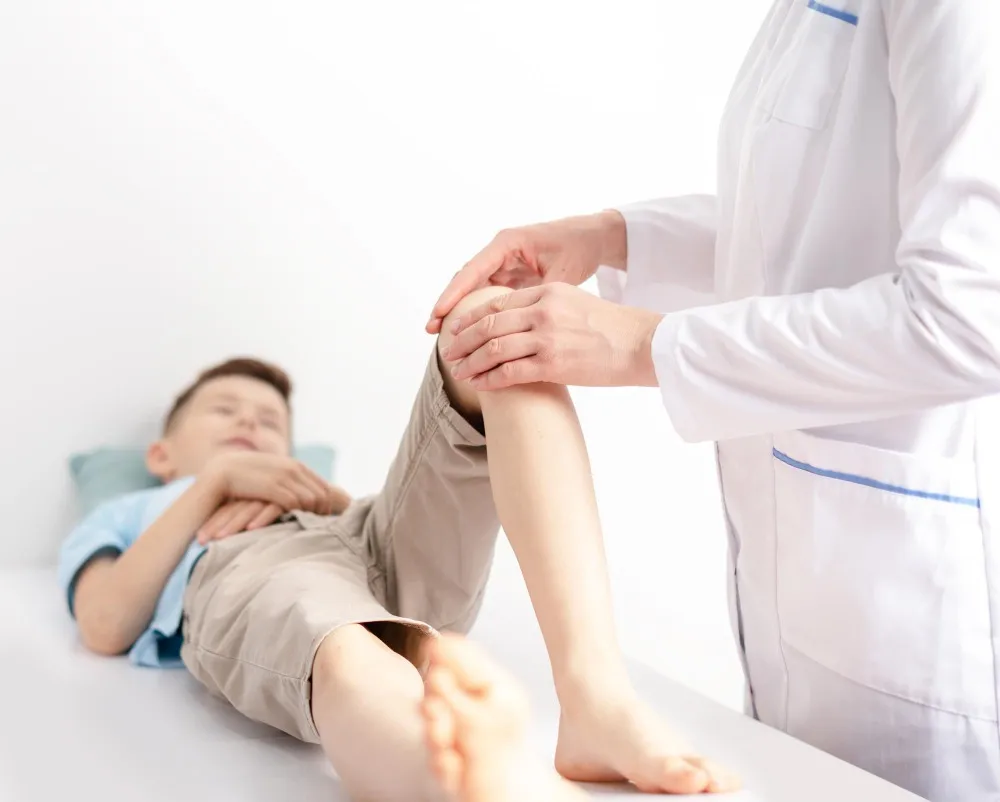
Children are naturally active, which means occasional falls, minor bruises, and muscle soreness are common. However, certain movement problems, persistent pain, unusual walking patterns, or repeated injuries deserve closer attention. A Child orthopaedic doctor evaluates bone, joint, muscle, and growth-related concerns while considering the important differences between a child's developing musculoskeletal system and that of an adult.
For families in Mira Road and surrounding areas of Maharashtra, understanding which symptoms require an orthopaedic assessment can help avoid unnecessary worry while ensuring genuine problems are not overlooked.
Growing Bones Need Different Assessment
A child's bones contain growth plates, which are areas of developing tissue near the ends of certain bones. These growth plates influence how bones lengthen as a child grows.
Because the skeleton is still developing, an injury that appears minor may need a different approach from a similar injury in an adult. Growth-related conditions may also become more noticeable as a child gets taller and more physically active.
An orthopaedic assessment can examine movement, limb alignment, joint function, muscle strength, and the child's developmental stage.
Signs Parents Should Pay Attention To
Not every complaint of leg or joint pain indicates a serious problem. An evaluation becomes more important when symptoms persist, interfere with normal activity, or appear repeatedly.
Parents may consider seeking medical advice when a child experiences:
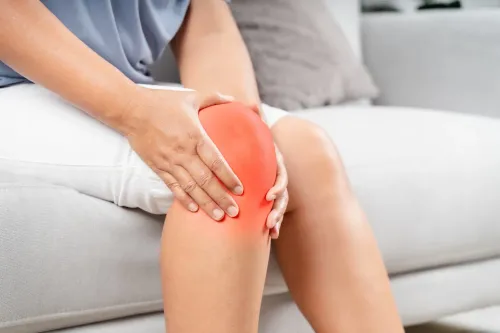
- Persistent pain in the knee, hip, ankle, shoulder, or other joints
- Limping that continues without an obvious reason
- Difficulty running, climbing stairs, or participating in play
- Repeated falls associated with movement difficulty
- Swelling around a bone or joint
- Pain after a significant sports injury
- Reduced movement following a fall
- Visible limb deformity
- Persistent toe walking
- Uneven leg appearance
- Pain that regularly interrupts normal activities
Sudden severe pain, obvious deformity, inability to use an injured limb, or significant swelling after trauma should receive timely medical attention.
Sports Injuries Can Affect Growing Children
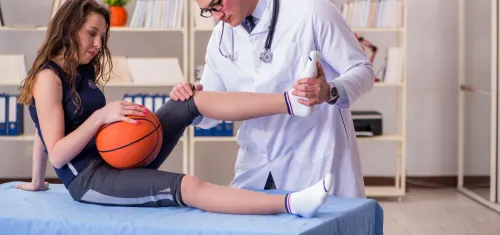
As children participate in cricket, football, badminton, athletics, skating, and other activities, sports-related injuries become increasingly relevant.
Sprains, strains, fractures, and overuse injuries can occur during training or competition. Young athletes may sometimes continue playing despite pain because they do not want to miss practice.
Persistent pain should not simply be treated as part of sports participation. Identifying the affected structure and understanding whether a growth plate is involved can influence treatment decisions.
Walking Patterns May Change During Growth
Parents often notice differences in the way their child walks. Some alignment variations can be part of normal development, while others may warrant assessment.
An orthopaedic examination can help distinguish developmental variations from conditions requiring monitoring or treatment. The doctor may observe the child's walking pattern, compare both legs, assess joint movement, and check muscle balance.
Imaging may be recommended when clinical findings indicate that further information is needed.
Treatment Depends on the Underlying Problem
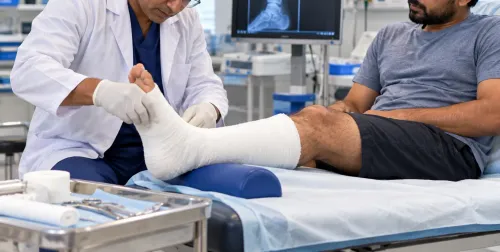
Children do not automatically need surgery for orthopaedic conditions. Depending on the diagnosis, treatment may involve observation, activity modification, physiotherapy, supportive devices, medication, casting, or another appropriate approach.
The objective is to support comfortable movement while protecting normal growth and function.
Dr. Santosh Pandey provides orthopaedic evaluation for patients in Mira Road, including assessment of musculoskeletal problems that may affect children and adolescents.
For parents, the most useful principle is simple: pay attention to persistent changes. Pain that keeps returning, an unexplained limp, difficulty using a limb, or a noticeable change in movement deserves appropriate assessment rather than repeated self-treatment. Early evaluation can clarify whether the problem is temporary, related to growth, or needs structured orthopaedic care.
Keywords