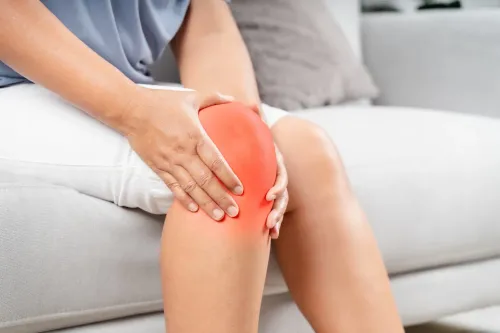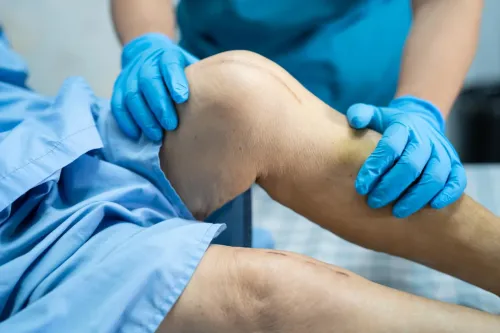
Knee pain does not automatically mean that joint replacement is required. Many knee problems begin with damage limited to a particular structure or part of the joint, and treatment can sometimes focus on preserving as much natural knee function as possible. A Knee Preservation Specialist evaluates the cause, location, severity, alignment, and functional impact of knee problems before deciding which treatment pathway may be appropriate.
This approach can be particularly relevant for younger and middle-aged adults who want to remain active while managing cartilage damage, meniscus problems, ligament injuries, early arthritis, or alignment-related knee symptoms.
Knee Preservation Starts With Finding the Pain Source
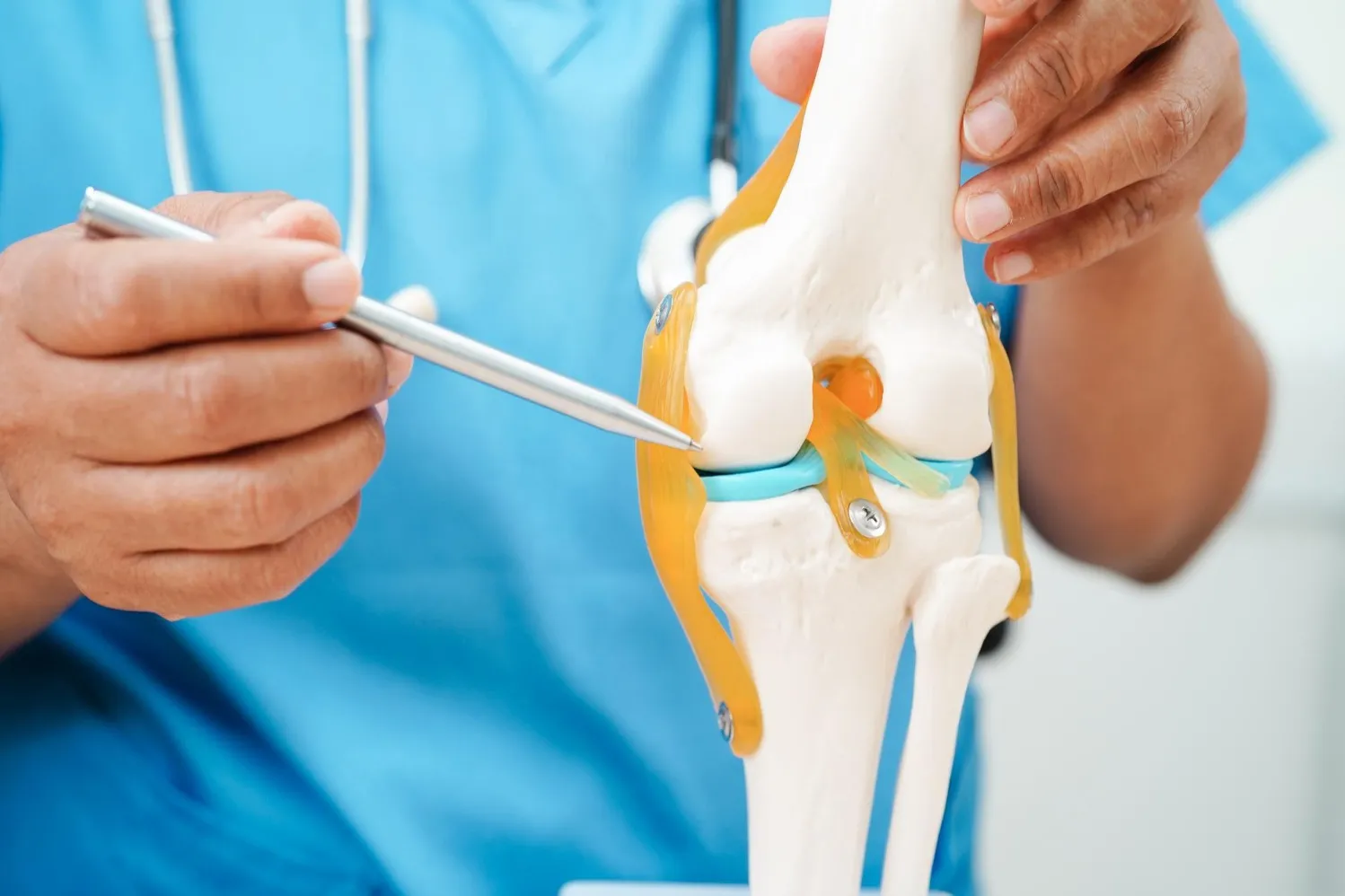
The knee is made up of several structures working together. Bones, cartilage, menisci, ligaments, tendons, and muscles all contribute to movement and stability.
Pain can therefore come from different sources.
A detailed evaluation may consider:
- Where the pain is located
- When symptoms occur
- Whether swelling develops
- Joint stability
- Previous injuries
- Knee alignment
- Range of movement
- Activity level
- Changes seen on appropriate imaging
Two patients of similar age can have very different causes of knee pain, which is why treatment should be based on diagnosis rather than age alone.
Early Cartilage Problems Need Thoughtful Management
Articular cartilage provides a smooth surface that allows the knee joint to move efficiently. Damage may occur after injury or gradually through degenerative changes.
Symptoms can include pain during weight-bearing activities, swelling after activity, stiffness, or reduced ability to participate in sport.
Treatment depends on factors such as the size and location of cartilage damage, symptoms, alignment, and overall condition of the knee.
Meniscus and Ligament Problems Affect Joint Mechanics
The menisci distribute load and contribute to knee stability. Ligaments help control movement. Damage to either can change how forces pass through the knee.
This is why persistent symptoms following twisting injuries should not be ignored, particularly when the knee locks, repeatedly gives way, or swells.
Preservation-focused care considers whether restoring stability and function can protect the joint from further stress.
Conservative Care Remains Important
Knee preservation does not necessarily mean a surgical procedure.
For suitable patients, treatment may begin with:
- Activity modification
- Physiotherapy
- Muscle strengthening
- Weight management when relevant
- Appropriate medication
- Bracing in selected situations
- Joint injections when clinically suitable
Response to these measures can provide valuable information about the knee and may reduce symptoms sufficiently without surgery.
Some Patients May Need Targeted Procedures
When symptoms continue despite appropriate conservative management, a specialist may consider procedures designed for the specific problem.
The appropriate choice depends on which part of the knee is damaged and how advanced the condition has become. Surgery should therefore follow a structured evaluation rather than being viewed as the automatic next step after knee pain begins.
For people in Mira Road and nearby communities in Maharashtra, access to specialist orthopaedic evaluation can help clarify whether symptoms are suitable for a joint-preserving strategy. Dr. Santosh Pandey assesses knee conditions with attention to pain, mobility, structural changes, and individual activity requirements.
Preserving the natural knee is most realistic when treatment decisions are made according to the actual condition of the joint. Persistent pain, recurrent swelling, instability, or declining mobility are useful reasons to seek assessment before assuming that either prolonged self-treatment or immediate joint replacement is the only option.
Keywords