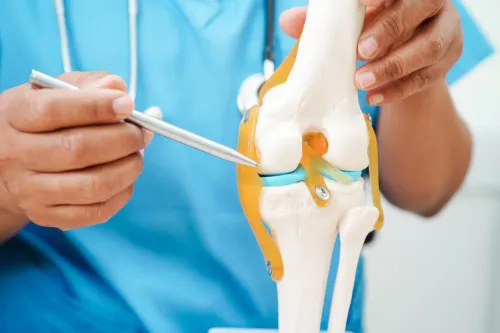
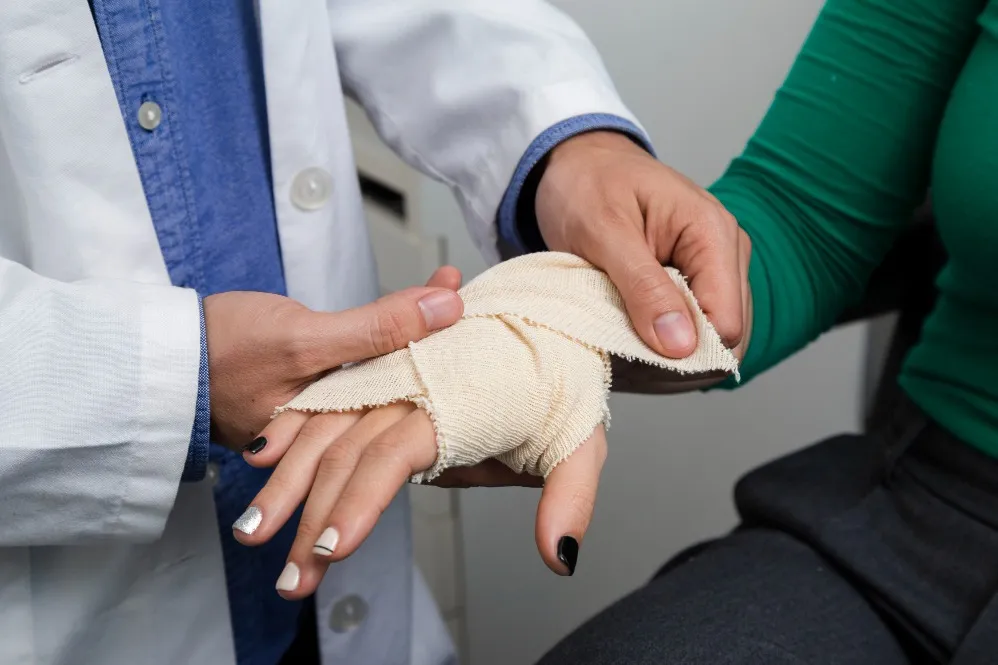
A fracture can happen unexpectedly during a fall, road accident, sports activity, or even from a simple misstep. While some fractures are obvious, others may appear as minor swelling or pain and are often mistaken for sprains. Visiting a fracture clinic ensures that injuries are assessed promptly and treated appropriately to support proper healing.
Timely diagnosis not only helps relieve pain but also reduces the risk of complications such as improper bone healing or long-term loss of function.
Not Every Fracture Looks the Same
Broken bones vary in severity and location. Some remain stable, while others require immediate medical attention.
Common types of fractures include:
- Simple fractures
- Displaced fractures
- Stress fractures
- Compression fractures
- Greenstick fractures in children
- Open fractures
- Hairline fractures
Because symptoms can overlap with ligament injuries, medical evaluation is important even when the injury seems minor.
Symptoms That Suggest a Possible Fracture
Certain warning signs should never be ignored after an injury.
These include:
- Severe pain immediately after impact
- Swelling around the injured area
- Difficulty moving the affected limb
- Visible deformity
- Bruising that develops quickly
- Inability to bear weight
- Tenderness when touched
Prompt assessment helps determine the extent of the injury and the most suitable treatment.
What Happens During the Evaluation
A fracture clinic focuses on rapid diagnosis and appropriate management.
Patients are usually assessed through:
- Clinical examination
- Review of how the injury occurred
- X-rays to identify the fracture
- Additional CT or MRI scans when necessary
- Assessment of nearby joints, muscles, and nerves
This comprehensive evaluation ensures associated injuries are not overlooked.
Treatment Depends on the Injury
Fracture management varies according to the type and location of the break.
Possible treatment options include:
- Immobilisation with a cast or splint
- Functional braces
- Pain management
- Guided rehabilitation
- Surgical fixation for unstable fractures
- Regular follow-up imaging to monitor healing
Following medical advice during recovery plays an important role in restoring normal function.
Supporting Better Bone Healing
Recovery does not end once the bone is stabilised.
Patients are generally encouraged to:
- Follow weight-bearing instructions carefully.
- Attend scheduled follow-up appointments.
- Eat a balanced diet rich in calcium and protein.
- Perform prescribed rehabilitation exercises.
- Avoid smoking, which may delay bone healing.
- Return to physical activity gradually.
These steps help improve recovery and minimise stiffness.
Early Care Supports Better Recovery
For residents of Mira Road and surrounding parts of Maharashtra, timely orthopaedic evaluation after an injury can make a significant difference in recovery. Delaying treatment may allow fractures to heal incorrectly, leading to ongoing discomfort or reduced movement.
Dr. Santosh Pandey provides comprehensive assessment and management for a wide range of fractures, ensuring each patient receives treatment suited to the nature of their injury. The practice combines accurate diagnosis with personalised recovery planning to help patients regain strength and mobility.
Keywords