Persistent knee pain can make everyday activities such as walking, climbing stairs, squatting, or exercising increasingly difficult. While many knee problems improve with medication, physiotherapy, and lifestyle changes, some conditions require a more detailed evaluation and specialised treatment. In selected cases, knee arthroscopy offers a minimally invasive way to diagnose and treat certain knee disorders.
Many patients in Mira Road and surrounding parts of Maharashtra hear the term 'arthroscopy' but are unsure what it involves. Understanding when the procedure is recommended, what happens during surgery, and what recovery looks like can help patients make informed healthcare decisions.
What Is Knee Arthroscopy?
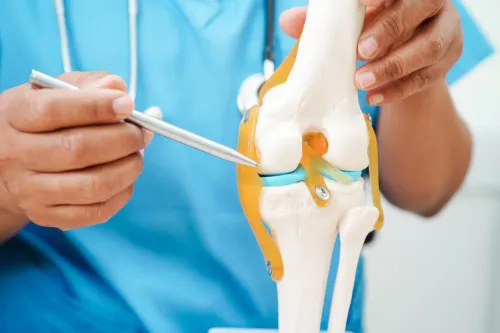
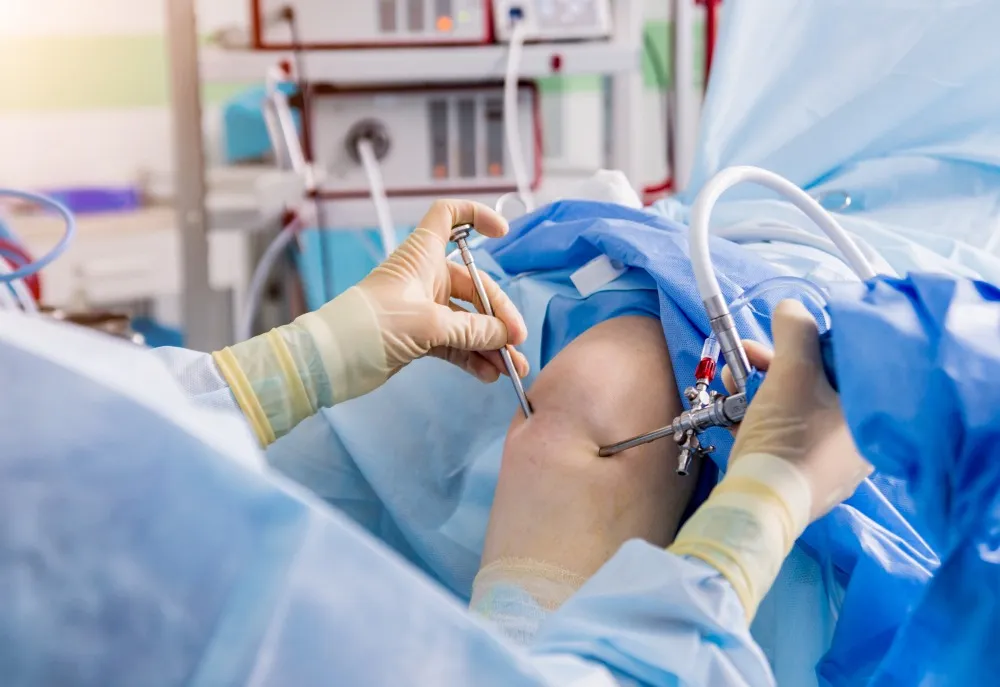
Knee arthroscopy is a minimally invasive surgical procedure in which a small camera called an arthroscope is inserted into the knee joint through tiny incisions. The camera displays detailed images on a monitor, allowing the surgeon to examine the inside of the knee and perform treatment using specialised instruments.
Because only small incisions are required, arthroscopy generally causes less disruption to surrounding tissues compared with traditional open surgery.
Conditions That May Be Treated with Knee Arthroscopy
Not every knee problem requires arthroscopy. However, it may be recommended for carefully selected patients with conditions such as:
- Meniscus tears
- Loose bone or cartilage fragments
- Certain ligament injuries
- Cartilage damage
- Synovial inflammation
- Recurrent knee locking
- Some sports-related knee injuries
The procedure is not routinely performed for every patient with knee arthritis, and treatment recommendations depend on individual clinical findings.
Symptoms That May Require Further Evaluation
You may benefit from specialist assessment if you experience:
- Persistent knee pain despite conservative treatment
- Swelling that repeatedly returns
- Knee locking or catching
- Clicking associated with pain
- Instability while walking
- Difficulty bending or straightening the knee
- Reduced participation in daily activities or sports
These symptoms may indicate internal joint problems that require imaging and clinical evaluation.
How Is the Need for Arthroscopy Determined?
A decision regarding surgery is never based on symptoms alone.
The orthopaedic assessment usually includes:
- Detailed medical history
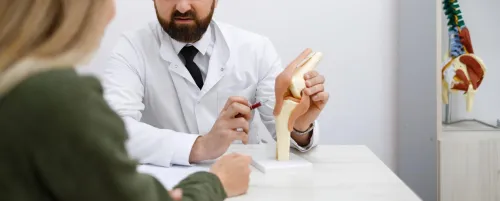
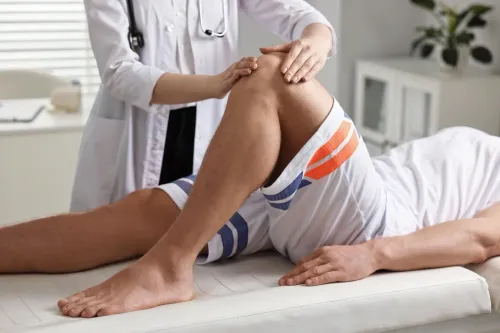
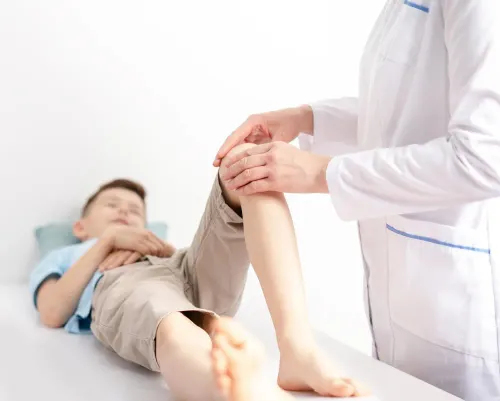
- Physical examination
- Knee stability testing
- Assessment of walking pattern
- X-rays
- MRI when ligament or cartilage injuries are suspected
The combination of clinical examination and imaging helps determine whether arthroscopy is likely to provide benefit.
What Happens During the Procedure?
Knee arthroscopy is usually performed under regional or general anaesthesia.
During the procedure, the surgeon:
- Makes small incisions around the knee.
- Inserts the arthroscope to inspect the joint.
- Uses specialised instruments to repair or remove damaged tissue when appropriate.
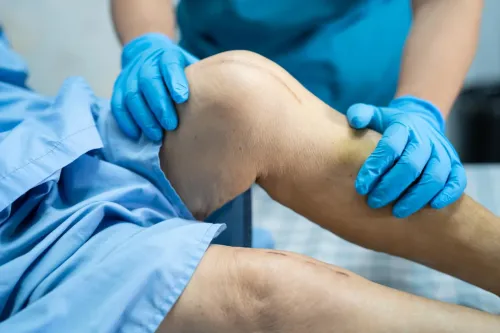
- Closes the small incisions after completing the procedure.
The exact surgical steps vary depending on the condition being treated.
Benefits of Knee Arthroscopy
For appropriate patients, arthroscopy may offer several advantages.
Potential benefits include:
- Smaller incisions
- Less soft tissue disruption
- Better visualisation of the joint
- Shorter hospital stay in many cases
- Earlier rehabilitation for selected procedures
- Improved diagnosis and treatment during the same procedure
However, expected outcomes depend on the specific knee condition rather than the procedure alone.
Recovery After Knee Arthroscopy
Recovery varies according to the type of treatment performed inside the knee.
Many rehabilitation programmes include:
- Pain and swelling management
- Early knee movement exercises
- Physiotherapy
- Progressive muscle strengthening
- Balance training
- Gradual return to normal activities
Patients undergoing ligament reconstruction or cartilage repair may require a longer rehabilitation period than those having minor procedures.
Tips for a Smooth Recovery
Patients can support healing by:
- Following postoperative instructions carefully
- Attending physiotherapy sessions
- Keeping surgical wounds clean and dry
- Performing prescribed exercises regularly
- Avoiding high-impact activities until medically cleared
- Maintaining a healthy diet to support recovery
Consistent rehabilitation is often essential for restoring knee strength and mobility.
Questions to Ask Before Surgery
If knee arthroscopy has been recommended, consider asking:
- Why is arthroscopy appropriate for my condition?
- Are there non-surgical alternatives?
- What will be repaired during surgery?
- How long will rehabilitation take?
- When can I return to work?
- When can I resume sports or exercise?
Understanding the expected benefits and recovery timeline helps patients prepare realistically.
Choosing the Right Orthopaedic Evaluation
Knee arthroscopy is an effective treatment option for selected knee conditions, but it is not suitable for every patient with knee pain. A thorough assessment ensures that treatment decisions are based on the underlying cause rather than symptoms alone.
Patients in Mira Road experiencing persistent knee pain, locking, or sports-related injuries may consult Dr. Santosh Pandey for a detailed orthopaedic evaluation. After reviewing clinical findings and imaging studies, the specialist can determine whether knee arthroscopy or another treatment option is the most appropriate approach. Further information about orthopaedic services is available through the practice's website, drsantoshpandeyorthopaedicsurgeon.com.
Early diagnosis and evidence-based treatment can help restore knee function, reduce discomfort, and support a safe return to everyday activities and recreational pursuits.
Keywords