Living with constant hip pain can gradually affect every aspect of your daily life. Simple tasks like walking to the market, climbing stairs, sitting for long periods, or getting out of bed may become increasingly difficult. While medications, physiotherapy, and lifestyle modifications often help during the early stages of hip joint problems, there are situations where hip replacement surgery becomes an appropriate treatment option.
Many people hesitate to explore surgery because they believe it should only be considered as a last resort. In reality, the decision depends on how much the condition affects your quality of life rather than age alone. For residents of Mira Road and surrounding areas of Maharashtra, understanding the warning signs can help determine when it is time to consult an orthopaedic specialist.
What Is Hip Replacement Surgery?
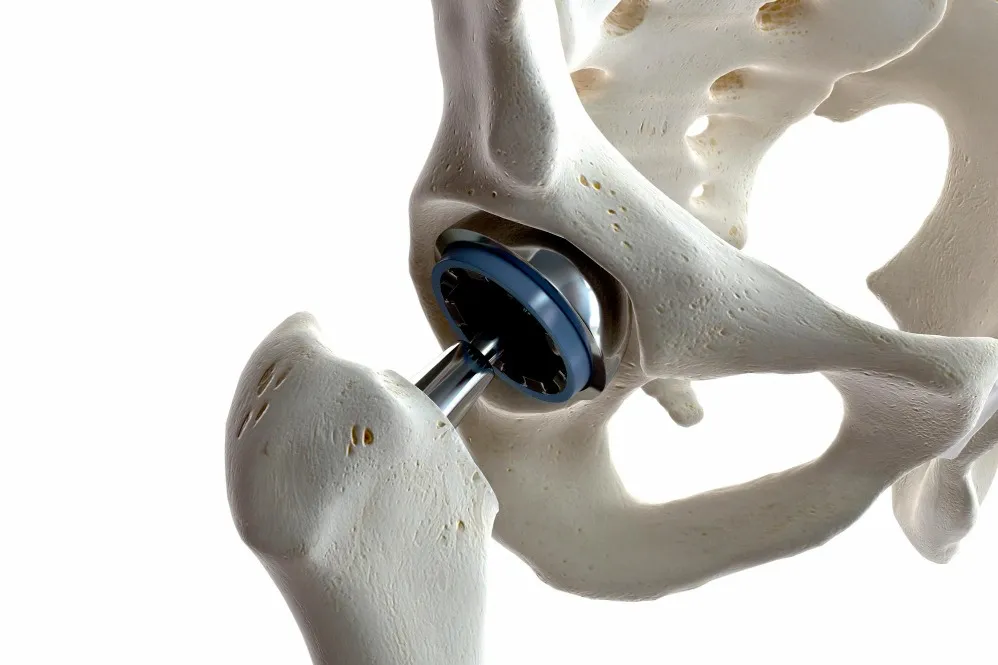
Hip replacement is a surgical procedure in which damaged portions of the hip joint are replaced with artificial components designed to improve movement and reduce pain.
The surgery is commonly recommended when the natural joint has been significantly damaged and conservative treatments no longer provide adequate relief.
Conditions That May Lead to Hip Replacement
Several medical conditions can affect the hip joint over time.
Common causes include:
- Osteoarthritis
- Rheumatoid arthritis
- Avascular necrosis
- Hip fractures
- Post-traumatic arthritis
- Congenital hip disorders
- Severe cartilage damage
Each condition affects the hip differently, making proper diagnosis essential before deciding on surgery.
1. Persistent Hip Pain
Pain that continues despite medications, physiotherapy, or activity modification may indicate advanced joint damage.
If discomfort affects your daily routine for several months, it is advisable to seek specialist evaluation.
2. Difficulty Walking
Many patients begin limiting their movements because of pain.
If walking even short distances becomes difficult or requires the support of a walking stick, the hip joint may require further assessment.
3. Pain During Rest
Hip pain that continues while sitting, lying down, or sleeping often suggests that the condition has progressed beyond occasional mechanical discomfort.
Night pain should always be discussed with an orthopaedic surgeon.
4. Reduced Hip Movement
Stiffness that makes it difficult to bend, sit cross-legged, or wear shoes comfortably may indicate progressive joint degeneration.
Loss of mobility often affects independence over time.
5. Everyday Activities Become Challenging
Simple activities such as:
- Climbing stairs
- Driving
- Standing for long periods
- Household work
- Shopping
may become increasingly uncomfortable when the hip joint is severely affected.
6. Non-Surgical Treatment Is No Longer Effective
Many patients initially benefit from:
- Pain medications
- Physiotherapy
- Weight management
- Walking aids
- Joint injections
When these treatments no longer provide meaningful improvement, surgery may become an appropriate option.
7. Hip Joint Deformity
Progressive arthritis may alter joint alignment, resulting in shortening of the leg or changes in walking pattern.
Early evaluation may prevent worsening deformity.
8. Increasing Dependence on Pain Medication
Regular use of painkillers without long-term improvement should prompt reassessment rather than continued self-medication.
The focus should remain on treating the underlying joint problem.
9. Reduced Quality of Life
If hip pain prevents participation in hobbies, family activities, travel, or exercise, discussing advanced treatment options with an orthopaedic specialist may be beneficial.
Quality of life is an important factor when considering surgery.
10. Imaging Shows Advanced Joint Damage
Clinical symptoms are often supported by imaging findings such as:
- Joint space narrowing
- Bone spurs
- Cartilage loss
- Bone deformity
- Structural joint damage
Radiological findings help determine whether hip replacement is appropriate.
How Is the Decision Made?
Hip replacement is never recommended based solely on an X-ray.
The decision usually considers:
- Severity of pain
- Daily functional limitations
- Physical examination
- Imaging findings
- General health
- Previous treatment response
- Personal activity goals
Every patient requires an individualised assessment.
What Happens After Surgery?
Recovery begins soon after the procedure.
Most rehabilitation programmes include:
- Early assisted walking.
- Pain management.
- Physiotherapy.
- Strengthening exercises.
- Gradual return to normal activities.
Following rehabilitation instructions is essential for achieving the best possible outcome.
Questions to Ask Before Hip Replacement
During your consultation, consider asking:
- Is surgery the most appropriate option for me?
- Are there alternatives worth trying first?
- How long will recovery take?
- What activities can I expect to resume?
- What risks should I be aware of?
- How long does the artificial joint typically last?
These discussions help patients make informed decisions about their treatment.
Choosing the Right Orthopaedic Evaluation
Hip replacement is a well-established procedure for carefully selected patients whose symptoms significantly affect their daily lives. Early evaluation helps identify the most appropriate treatment before mobility becomes severely restricted.
Patients in Mira Road considering treatment for persistent hip pain may consult Dr. Santosh Pandey for a comprehensive orthopaedic assessment. After evaluating the clinical findings, imaging studies, and overall health, the specialist recommends a personalised treatment plan based on each patient's individual needs. Additional information about available orthopaedic services can be found through the practice's website, drsantoshpandeyorthopaedicsurgeon.com.
Understanding the signs that indicate advanced hip joint disease allows patients to seek timely medical advice, explore all available treatment options, and make informed decisions about improving mobility and long-term joint health.
Keywords