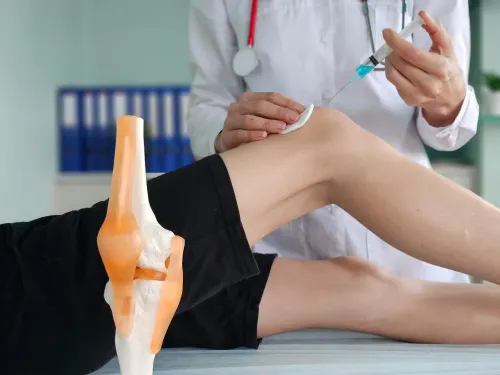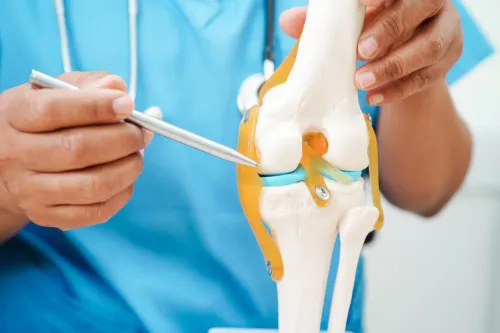

The shoulder is one of the most mobile joints in the human body, allowing you to lift, rotate, and move your arm in many directions. However, this flexibility also makes it more vulnerable to injuries and wear over time. Whether the discomfort develops suddenly after an injury or gradually over several months, persistent shoulder pain should never be ignored. Consulting a shoulder pain doctor at the right time can help identify the underlying cause and prevent further joint damage.
People in Mira Road and across Maharashtra often experience shoulder pain due to repetitive work, sports activities, prolonged computer use, or age-related joint changes. While mild discomfort may improve with rest, ongoing pain can interfere with sleep, work, driving, and everyday activities such as dressing or lifting household items.
Why Does Shoulder Pain Occur?
The shoulder consists of bones, muscles, tendons, ligaments, cartilage, and bursae that work together to provide a wide range of movement. Pain can develop when any of these structures become injured, inflamed, or degenerate over time.
Some shoulder conditions arise suddenly after a fall or accident, while others develop gradually due to repetitive movements or chronic wear and tear.
Common Causes of Shoulder Pain
Several conditions can lead to shoulder discomfort.
Rotator Cuff Injuries
The rotator cuff is a group of muscles and tendons that stabilise the shoulder joint. Overuse, ageing, or trauma can cause inflammation or tears, leading to pain and weakness.
Frozen Shoulder
Also known as adhesive capsulitis, frozen shoulder causes stiffness and restricted movement that gradually worsens before improving over time with appropriate treatment.
Shoulder Arthritis
Degeneration of the joint cartilage can cause pain, swelling, stiffness, and difficulty performing routine activities.
Shoulder Impingement
This condition occurs when shoulder tendons become compressed during arm movement, often causing pain while lifting the arm overhead.
Bursitis
Inflammation of the fluid-filled sacs that cushion the shoulder joint can result in pain, especially during movement.
Tendinitis
Repeated strain may inflame the shoulder tendons, making lifting, reaching, or carrying objects uncomfortable.
Shoulder Dislocation or Fracture
A fall, road traffic accident, or sports injury may lead to serious shoulder injuries that require immediate medical attention.
Symptoms That Should Not Be Ignored
While occasional muscle soreness may settle within a few days, certain symptoms indicate the need for professional evaluation.
Watch for:
- Pain lasting more than two weeks
- Difficulty lifting the arm
- Weakness in the shoulder
- Swelling around the joint
- Clicking or catching sensations during movement
- Pain that disrupts sleep
- Limited range of motion
- Shoulder deformity after an injury
These symptoms may point to conditions that require medical treatment rather than home remedies alone.
How Shoulder Problems Are Diagnosed
A detailed assessment helps determine the exact source of shoulder pain.
An orthopaedic evaluation may include:
- Discussion of symptoms and medical history
- Physical examination
- Assessment of joint movement
- Muscle strength testing
- X-rays
- Ultrasound examination
- MRI scan when soft tissue injuries are suspected
Accurate diagnosis allows treatment to be tailored to the specific condition instead of simply managing symptoms.
Treatment Options for Shoulder Pain
Treatment depends on the underlying diagnosis, the severity of the condition, and the patient's activity level.
Many shoulder problems respond well to conservative management, including:
- Activity modification
- Physiotherapy
- Anti-inflammatory medications
- Pain relief medicines
- Ice or heat therapy
- Stretching and strengthening exercises
These measures often improve pain and restore function when started early.
When Is Surgery Considered?
Not every shoulder condition requires surgery. However, surgical treatment may be recommended for certain patients when conservative care is unsuccessful or when significant structural damage is present.
Examples include:
- Complete rotator cuff tears
- Recurrent shoulder dislocations
- Severe arthritis
- Certain fractures
- Persistent shoulder instability
- Tendon injuries that fail to heal
The decision is made after careful clinical assessment and discussion of the patient's symptoms, lifestyle, and treatment goals.
Tips to Maintain Healthy Shoulders
Looking after your shoulder joints can reduce the likelihood of future problems.
Helpful habits include:
- Maintaining good posture while working
- Taking breaks during repetitive activities
- Performing shoulder-strengthening exercises
- Warming up before sports
- Avoiding sudden heavy lifting
- Using proper lifting techniques
- Managing chronic medical conditions that affect joint health
Simple preventive measures can go a long way in preserving shoulder function.
Questions to Discuss with a Shoulder Specialist
During your consultation, consider asking:
- What is causing my shoulder pain?
- Do I need imaging tests?
- Can physiotherapy help my condition?
- How long is recovery expected to take?
- Will I need surgery?
- What activities should I avoid during recovery?
Understanding the answers helps patients make informed decisions about their care.
Choosing the Right Orthopaedic Evaluation
Persistent shoulder pain should not be dismissed as a normal part of aging or everyday work. Early diagnosis often leads to more effective treatment and may help prevent long-term joint damage.
Patients seeking assessment for shoulder conditions in Mira Road may consult Dr. Santosh Pandey, who evaluates shoulder pain through a detailed clinical examination and recommends treatment based on the individual's diagnosis, functional needs, and overall health. Additional information about orthopaedic services and patient care is available through the practice's website, drsantoshpandeyorthopaedicsurgeon.com.
Timely consultation with a qualified shoulder pain doctor can help identify the cause of discomfort, improve shoulder function, and support a safe return to everyday activities with an appropriate, evidence-based treatment plan.
Keywords