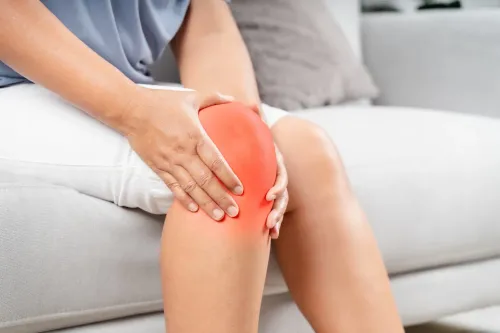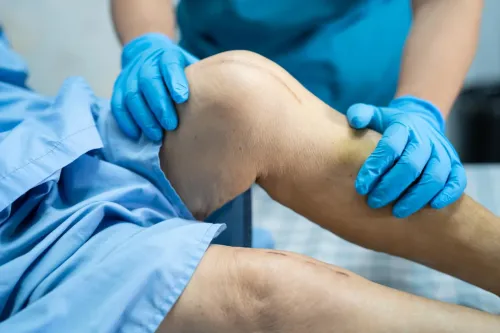
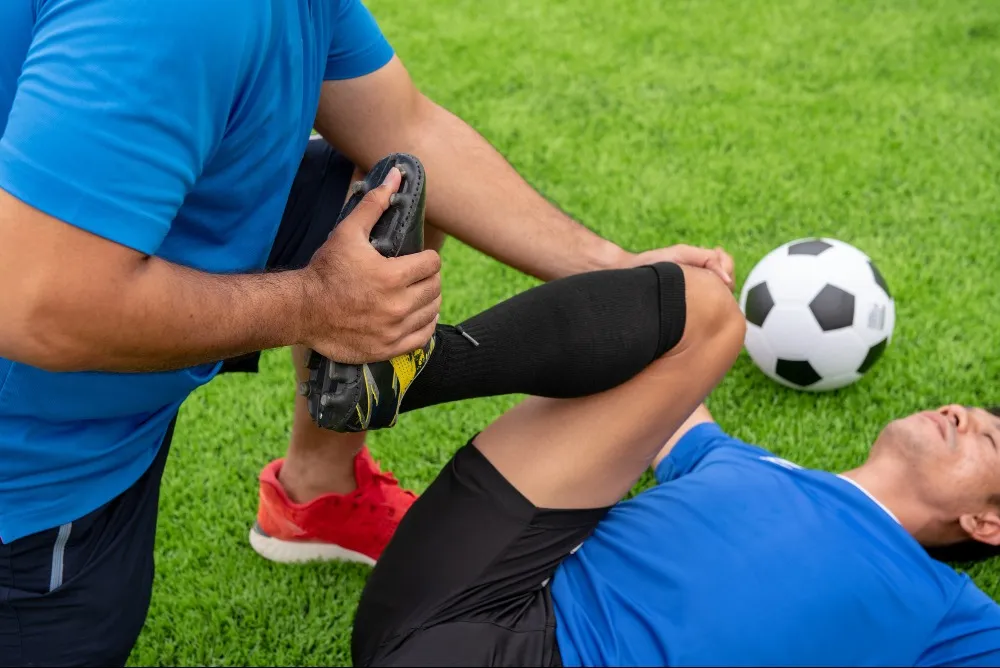
Whether you play competitive sports, enjoy weekend cricket, go for regular runs, or work out at the gym, injuries can interrupt your routine without warning. While some improve with rest, others require professional assessment to prevent recurring problems. Consulting a Sports Injury treatment Specialist helps ensure that recovery focuses not only on healing but also on returning safely to activity.
Ignoring an injury and resuming sports too early may increase the risk of long-term joint damage.
Sports Injuries Are Not Limited to Professional Athletes
Anyone who participates in physical activity can develop sports-related injuries.
Some of the most common conditions include:
- Ligament sprains
- Muscle strains
- Tendon injuries
- Meniscus tears
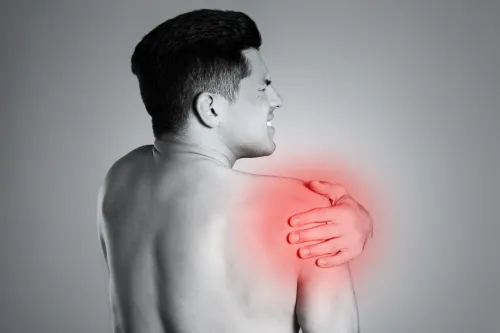
- Shoulder instability
- Stress fractures
- Ankle sprains
- Tennis elbow
Each injury varies in severity, making proper diagnosis an important first step.
Warning Signs That Need Medical Attention
While mild soreness after exercise is expected, certain symptoms indicate that further evaluation is needed.
Watch for:
- Persistent swelling
- Pain that limits movement
- Joint instability
- Difficulty bearing weight
- Recurrent injuries in the same area
- Reduced strength
- Pain that returns during activity
Seeking treatment early may reduce recovery time and minimise complications.
How Sports Injuries Are Diagnosed
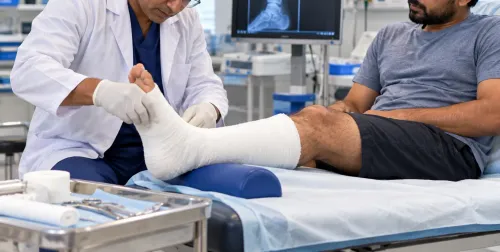
An accurate diagnosis helps determine when and how it is safe to return to activity.
Assessment generally includes:
- Understanding how the injury occurred
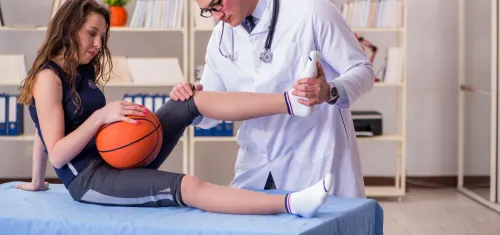
- Physical examination
- Joint stability testing
- Strength and flexibility assessment
- Imaging such as X-rays or MRI when required
This approach helps identify injuries that may not be visible from symptoms alone.
Recovery Is More Than Pain Relief
Successful rehabilitation focuses on restoring normal function rather than simply eliminating pain.
Depending on the injury, treatment may include:
- Rest from aggravating activities
- Physiotherapy
- Strengthening exercises
- Mobility training
- Bracing where appropriate
- Surgical treatment for significant structural injuries
A gradual return-to-sport plan is often recommended to reduce the risk of reinjury.
Preventing Future Injuries
Athletes and active individuals can reduce injury risk by following good training habits.
Helpful practices include:
- Warm up before exercise.
- Increase training intensity gradually.
- Wear appropriate footwear.
- Strengthen supporting muscles.
- Allow adequate recovery between workouts.
- Avoid playing through significant pain.
These habits support performance while protecting joints and muscles.
Expert Guidance Helps You Return With Confidence
People in Mira Road and surrounding areas of Maharashtra are increasingly participating in recreational sports and fitness activities. Prompt assessment after an injury helps determine the safest path back to exercise without compromising long-term joint health.
Dr. Santosh Pandey provides comprehensive evaluation and management for a wide range of sports-related orthopaedic injuries, helping patients recover according to their individual goals and activity levels.
Keywords