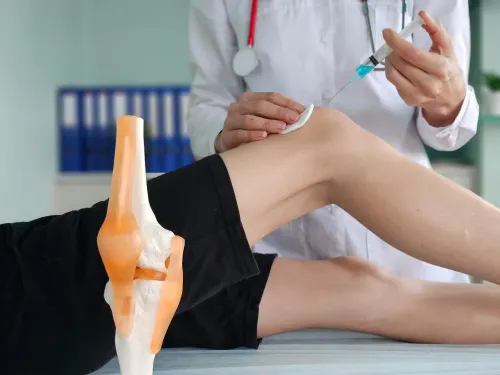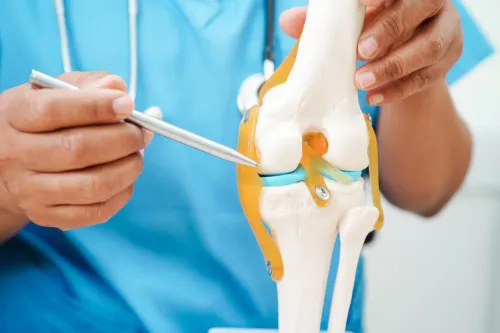
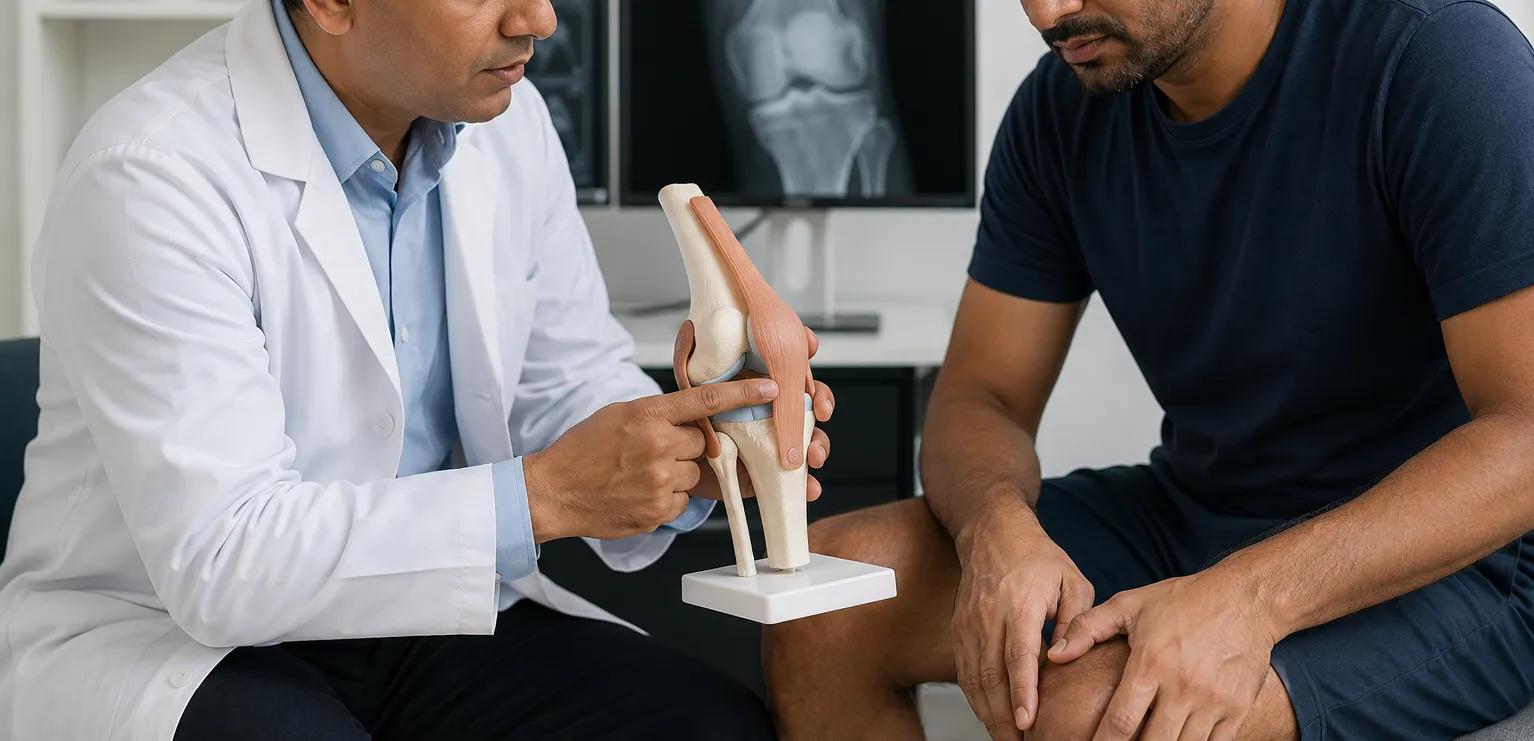
Many people assume that ongoing knee pain automatically leads to knee replacement surgery. In reality, several conditions can be managed with treatments that aim to preserve the natural joint for as long as possible. Consulting a Knee Preservation Specialist helps patients explore these options before considering joint replacement.
Preserving the knee is particularly valuable for younger adults, active individuals, and patients with early-stage joint damage who want to maintain their natural mobility.
When Knee Preservation Becomes an Option
Knee preservation focuses on treating damage before arthritis becomes severe. The objective is to reduce pain, improve function, and slow further joint deterioration.
Patients may benefit from knee preservation if they have:
- Early osteoarthritis
- Cartilage injuries
- Meniscus tears
- Ligament instability
- Mild joint deformity
- Recurrent knee pain during activity
Not every patient is a suitable candidate, making a detailed assessment essential.
How Specialists Decide the Best Treatment
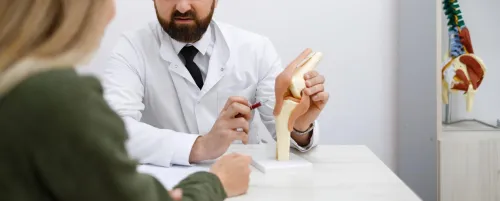
Every knee problem has its own underlying cause. A personalised evaluation helps determine whether preservation techniques are appropriate.
The assessment generally includes:
- Understanding symptoms and activity levels
- Physical examination
- Walking and alignment assessment
- X-rays and MRI when required
- Evaluation of cartilage and ligament health
This information guides treatment decisions based on the condition of the joint rather than age alone.
Knee Preservation Compared With Joint Replacement
Patients often wonder which approach is more suitable.
Knee preservation aims to:
- Maintain the natural joint
- Delay joint replacement when appropriate
- Improve knee mechanics
- Reduce pain through targeted treatment
- Support an active lifestyle
Joint replacement, on the other hand, is generally considered when the joint has sustained extensive damage and conservative options no longer provide adequate relief.
Choosing the right option depends on the severity of arthritis, lifestyle, expectations, and clinical findings.
Treatment May Include Different Approaches
Depending on the diagnosis, knee preservation strategies may involve:
- Physiotherapy
- Weight management
- Activity modification
- Bracing
- Cartilage restoration procedures
- Ligament reconstruction
- Corrective osteotomy in selected cases
The aim is to improve joint function while preserving healthy tissues whenever possible.
Supporting Long-Term Knee Health
Patients can also contribute to preserving their knee joints by:
- Maintaining a healthy weight
- Strengthening the muscles around the knee
- Avoiding repetitive high-impact activities
- Managing injuries promptly
- Staying physically active within comfortable limits
These habits complement medical treatment and help support joint longevity.
Individual Assessment Leads to Better Decisions
Residents of Mira Road and nearby parts of Maharashtra often seek treatment while they are still active in work, sports, or family life. Early orthopaedic evaluation may help identify preservation options before advanced arthritis develops.
Dr. Santosh Pandey evaluates patients with knee pain through a personalized approach, helping determine whether preservation-focused treatment is appropriate based on the condition of the joint.
Keywords