Knee pain can gradually change the way you live. Climbing stairs becomes difficult, morning walks feel exhausting, and even getting up from a chair may require extra effort. While many knee problems improve with medication, physiotherapy, and lifestyle changes, some conditions progress to a stage where these treatments no longer provide lasting relief. Understanding when it may be time to consult an orthopaedic surgeon for knee replacement can help you make informed decisions about your mobility and quality of life.
For many people in Mira Road and nearby areas of Maharashtra, knee pain is often linked to age-related wear and tear, previous injuries, arthritis, or long-term joint damage. Identifying the right treatment at the right time can prevent unnecessary discomfort and help maintain an active lifestyle.
What Is Knee Replacement Surgery?
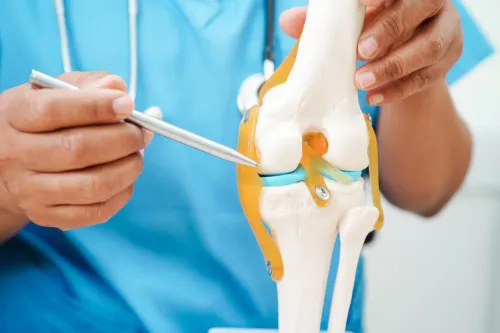
Knee replacement is a surgical procedure that replaces damaged portions of the knee joint with specially designed artificial components. The goal is to reduce pain, improve movement, and restore function when the natural joint has been severely affected.
It is important to remember that knee replacement is usually considered only after conservative treatments have been tried without satisfactory results.
Common Conditions That May Lead to Knee Replacement
Several medical conditions can damage the knee joint over time, including:
- Osteoarthritis
- Rheumatoid arthritis
- Post-traumatic arthritis following an injury
- Severe cartilage damage
- Joint deformities
- Long-standing knee stiffness
Each condition affects the joint differently, making a detailed orthopaedic evaluation essential before deciding on surgery.
Signs That You Should Consult an Orthopaedic Surgeon
Many people tolerate knee pain for years, assuming it is a normal part of ageing. However, certain symptoms should not be ignored.
Persistent Pain
If knee pain continues despite medications, physiotherapy, weight management, or injections, it may indicate advanced joint damage.
Difficulty Walking
Struggling to walk even short distances or needing support while moving around can significantly affect independence.
Limited Joint Movement
A knee that refuses to bend or straighten properly may indicate progressive joint deterioration.
Pain During Everyday Activities
Simple activities such as standing, climbing stairs, shopping, or household chores becoming increasingly difficult may require specialist evaluation.
Night Pain
Pain that disturbs sleep or continues even while resting is often a sign that the condition deserves further assessment.
When Non-Surgical Treatments May No Longer Be Enough
Before recommending surgery, orthopaedic specialists usually explore several non-operative options, including:
- Pain-relieving medications
- Physiotherapy
- Activity modification
- Weight management
- Knee braces
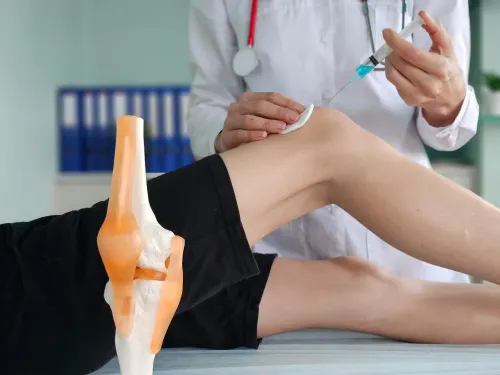
- Joint injections
These treatments often work well in the early and moderate stages of arthritis. However, when they fail to provide meaningful improvement and daily life continues to be affected, surgery may become a reasonable option.
Who Is a Suitable Candidate?
There is no fixed age for knee replacement. Instead, suitability depends on factors such as:
- Severity of joint damage
- Overall physical health
- Level of pain
- Functional limitations
- Imaging findings
- Response to previous treatments
An experienced orthopaedic surgeon evaluates these factors carefully before discussing surgical options.
What Happens During the Evaluation?
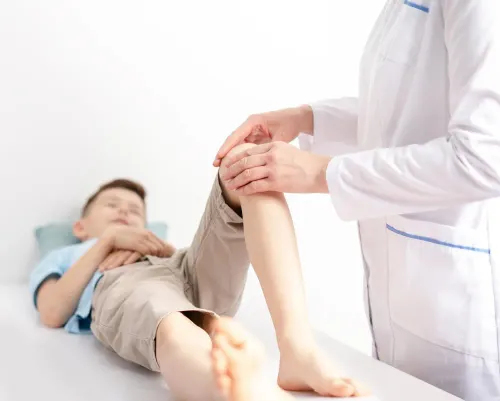
A comprehensive assessment usually includes:
- Detailed medical history
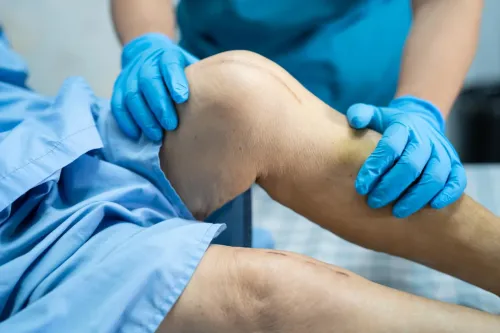
- Physical examination
- X-rays or other imaging studies
- Assessment of walking pattern
- Review of previous treatments
- Discussion of lifestyle goals
This evaluation helps determine whether surgery is necessary or whether other treatment options remain appropriate.
Benefits of Timely Treatment
Seeking timely medical advice offers several advantages.
Patients may experience:
- Better pain management
- Improved mobility
- Easier participation in daily activities
- Greater joint stability
- Enhanced overall quality of life
Delaying treatment for severe arthritis can sometimes lead to worsening deformity and reduced muscle strength, which may affect recovery later.
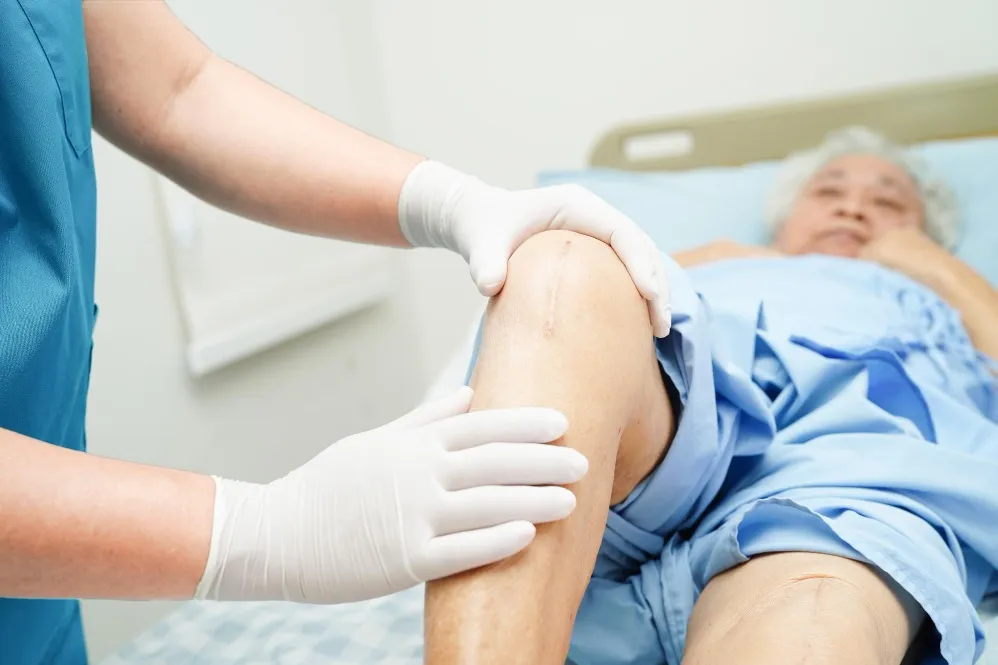
Recovery After Knee Replacement
Recovery is a gradual process that involves rehabilitation and physiotherapy.
Most recovery plans include:
- Early supervised walking.
- Guided strengthening exercises.
- Range-of-motion training.
- Gradual return to daily activities.
- Regular follow-up appointments.
Following medical advice and participating actively in rehabilitation are important parts of achieving the best possible outcome.
Questions You May Want to Ask Your Surgeon
Preparing questions before your consultation can help you better understand your treatment options.
Consider asking:
- Is knee replacement the right treatment for my condition?
- Are there non-surgical alternatives worth trying?
- What type of implant is recommended?
- How long will recovery take?
- When can I return to work or regular activities?
- What precautions should I follow after surgery?
These discussions help set realistic expectations and allow you to make informed healthcare decisions.
Choosing the Right Orthopaedic Care
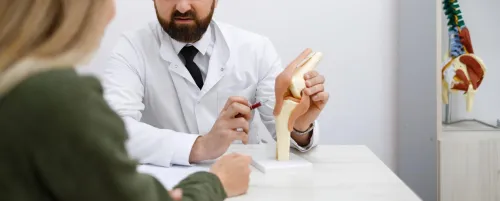
Selecting an orthopaedic surgeon involves more than finding someone who performs the procedure. Patients should look for comprehensive assessment, clear communication, personalised treatment planning, and structured rehabilitation support.
Individuals seeking evaluation for persistent knee pain in Mira Road often consult specialists such as Dr. Santosh Pandey, who focuses on diagnosing joint conditions and recommending treatment plans based on each patient's clinical needs rather than a one-size-fits-all approach. Additional information about available orthopaedic services can also be found through the practice's website, drsantoshpandeyorthopaedicsurgeon.com, where patients can learn more about treatment approaches before scheduling a consultation.
Recognising the signs of advanced knee problems early allows patients to explore appropriate treatment options before pain and reduced mobility significantly impact their everyday lives.
Keywords