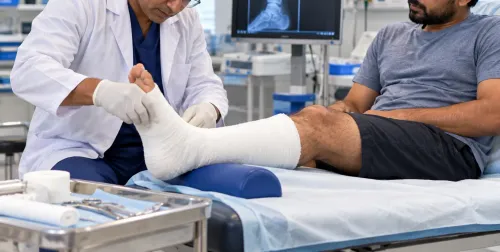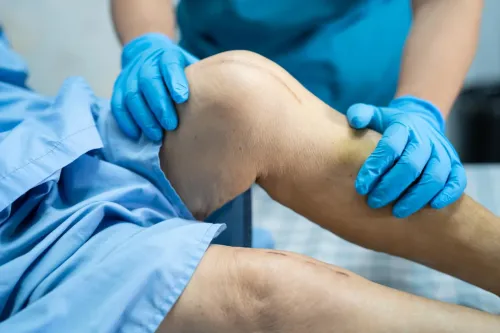

Joint pain can gradually reduce mobility and make everyday activities increasingly challenging. While medication and physiotherapy remain important treatment options, some patients continue to experience discomfort that limits their quality of life. In carefully selected cases, Joint Injections may help reduce pain and improve movement as part of a broader treatment plan.
These injections are not suitable for every condition, which is why proper diagnosis is essential before considering this treatment.
When Joint Injections May Be Recommended
Joint injections are commonly considered when conservative measures have not provided sufficient improvement and surgery is not immediately required.
They may be used for conditions such as:
- Osteoarthritis
- Shoulder inflammation
- Knee pain
- Hip arthritis
- Bursitis
- Certain tendon-related conditions
The choice of injection depends on the diagnosis, symptoms, and overall health of the patient.
Understanding Different Types of Injections
Not all injections serve the same purpose.
Depending on the clinical condition, treatment may include:
- Corticosteroid injections to reduce inflammation
- Hyaluronic acid injections for selected arthritic joints
- Platelet-rich plasma (PRP) in carefully chosen situations
- Diagnostic injections to identify the source of pain
Your orthopaedic surgeon recommends the most appropriate option after clinical evaluation.
What Patients Can Expect During the Procedure
Joint injections are generally performed as outpatient procedures.
The process typically involves:
- Examining the affected joint
- Cleaning the treatment area thoroughly
- Positioning the injection accurately
- Administering the medication
- Advising temporary activity modification afterwards
Some injections may be performed using imaging guidance to improve accuracy depending on the joint involved.
Are Joint Injections a Permanent Solution
A common misconception is that injections permanently cure joint problems.
In reality, they are designed to:
- Reduce pain
- Improve joint movement
- Support rehabilitation
- Delay more invasive treatment when appropriate
- Help patients participate more comfortably in physiotherapy
The duration of symptom relief varies depending on the condition being treated.
Maximising Treatment Benefits
Patients can often achieve better outcomes by combining injections with healthy lifestyle habits.
These include:
- Regular physiotherapy
- Weight management
- Muscle strengthening
- Low-impact exercise
- Following activity recommendations
- Attending scheduled follow-up appointments
This combined approach addresses both symptoms and overall joint function.
Choosing Treatment Based on Your Condition
For people in Mira Road and surrounding regions of Maharashtra, persistent joint pain should be evaluated before deciding on any injection-based treatment. An accurate diagnosis helps determine whether injections are likely to provide meaningful benefit.
Dr. Santosh Pandey offers a comprehensive orthopaedic assessment to determine when joint injections are appropriate as part of an individualised treatment plan.
Keywords