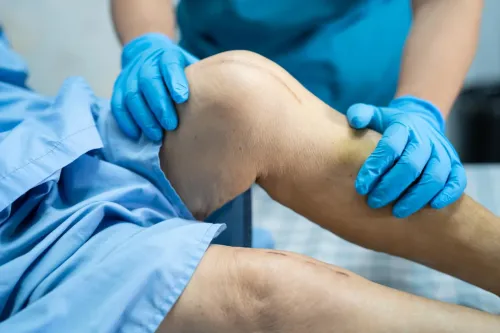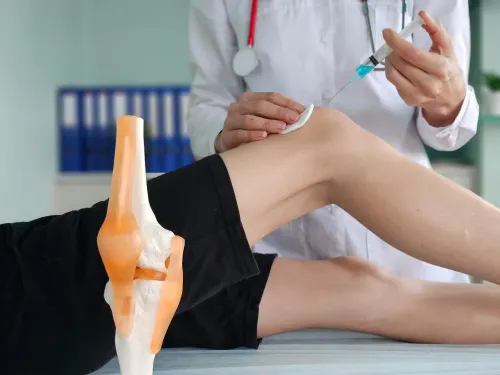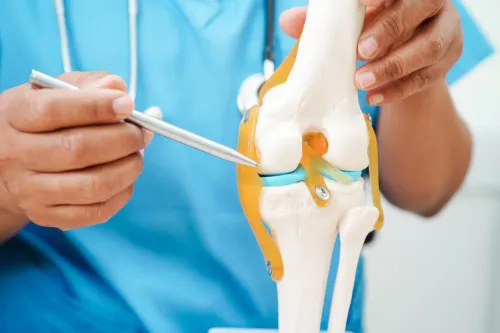
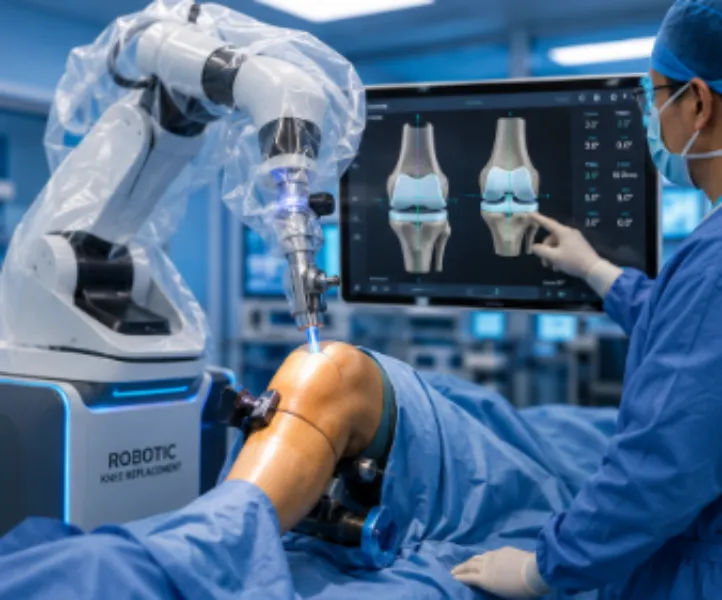
For individuals living with advanced knee arthritis, everyday movements such as walking, climbing stairs, or getting out of a chair can become increasingly difficult. When conservative treatments no longer provide sufficient relief, Robotic Knee Replacement may become a treatment option worth discussing with an orthopaedic surgeon.
Although the word 'robotic' often sounds intimidating, the technology is designed to support surgical precision rather than replace the expertise of the surgeon.
How Robotic Assistance Differs From Conventional Surgery
One of the most common questions patients ask is whether robotic knee replacement is completely automated. The answer is no.
The procedure combines advanced imaging technology, computer-assisted planning, and robotic guidance while the surgeon remains in full control throughout the operation.
Potential advantages include:
- Greater surgical accuracy
- Better implant positioning
- Personalised surgical planning
- Preservation of healthy bone where appropriate
- Improved joint alignment
The suitability of robotic technology depends on the patient's individual condition.
Who May Benefit From This Approach
Not everyone with knee pain requires joint replacement surgery.
Patients who may be evaluated for robotic-assisted knee replacement often have:
- Advanced osteoarthritis
- Persistent pain despite conservative treatment
- Significant limitation in daily activities
- Progressive joint deformity
- Reduced quality of life caused by knee stiffness
A detailed clinical assessment helps determine whether surgery is appropriate.
What to Expect Before Surgery
Preparation is an important part of successful treatment.
Before recommending surgery, the orthopaedic team generally evaluates:
- Overall medical history
- Physical examination
- Knee imaging
- Joint alignment
- Bone quality
- General fitness for surgery
These assessments allow the procedure to be planned according to the patient's anatomy.
Recovery Still Depends on Rehabilitation
Technology alone does not determine recovery. Rehabilitation remains essential following knee replacement.
Patients are encouraged to:
- Begin guided movement as advised.
- Participate in physiotherapy.
- Follow prescribed exercises consistently.
- Maintain follow-up appointments.
- Protect the new joint during early recovery.
Commitment to rehabilitation supports improved strength and mobility over time.
Asking the Right Questions Before Choosing Surgery
If knee replacement has been suggested, discussing the available surgical options helps patients make informed decisions.
Questions worth asking include:
- Am I a suitable candidate?
- What benefits can I realistically expect?
- How long is recovery likely to take?
- What activities can I return to?
- What rehabilitation will be required?
Understanding these aspects allows patients to approach surgery with realistic expectations.
Personalised Assessment Leads to Better Decisions
Patients in Mira Road and across Maharashtra increasingly seek advanced orthopaedic solutions that match their lifestyle and long-term mobility goals. Robotic-assisted procedures represent one option among several available treatments for severe knee arthritis.
Dr. Santosh Pandey evaluates each patient individually before recommending robotic knee replacement, ensuring the treatment plan is based on clinical findings rather than technology alone.
Keywords