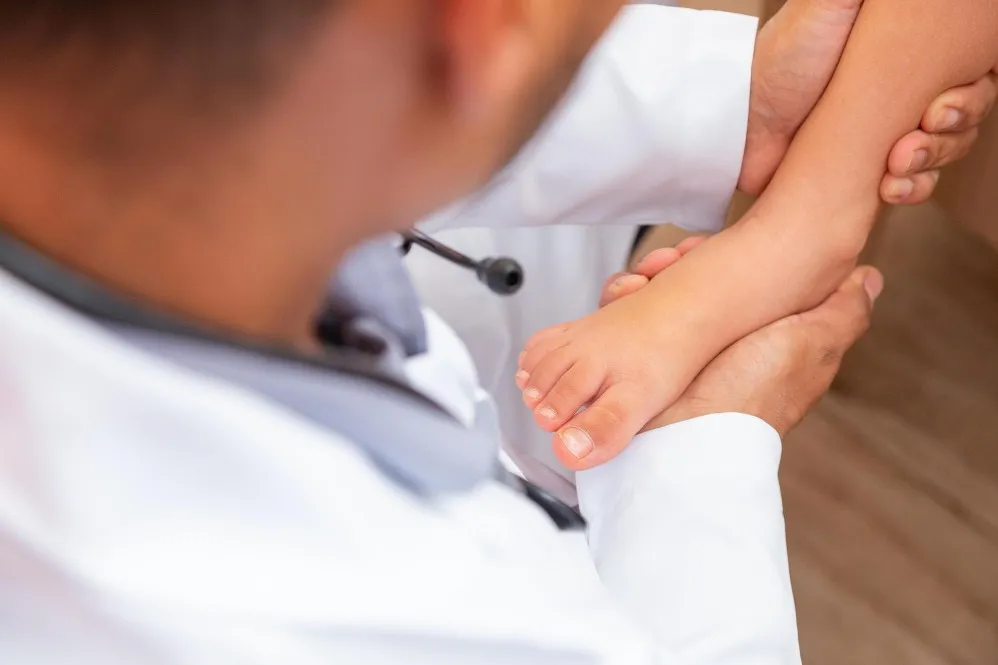
Children are constantly growing, running, playing, and exploring, which makes minor injuries common. However, not every bone or joint problem is simply a part of growing up. When pain, limping, or movement difficulties persist, consulting a Child orthopaedic doctor can help identify the underlying cause early and support healthy development.
Unlike adults, children's bones continue to grow and remodel over time. This means their treatment needs are different and often require specialised orthopaedic evaluation.
Children's Bones Heal Differently
Growth plates, which are areas of developing tissue near the ends of long bones, make children's skeletons unique. Injuries involving these areas require careful diagnosis because untreated damage can affect future bone growth.
Common conditions seen in children include:
- Growth plate injuries
- Bow legs and knock knees
- Clubfoot
- Hip disorders
- Flat feet
- Limb length differences
- Congenital bone abnormalities
- Minor and major fractures
Many of these conditions improve significantly when diagnosed at the appropriate stage.
Signs Parents Should Pay Attention To
Some symptoms deserve an orthopaedic assessment rather than a wait-and-watch approach.
Parents should seek medical advice if a child has:
- Persistent joint pain
- Difficulty walking
- Frequent falls without an obvious reason
- Swelling after an injury
- One leg appearing shorter than the other
- Limited movement in a joint
- Pain that interrupts daily activities or sports
Early diagnosis allows treatment to begin before growth-related complications develop.
How Children's Orthopaedic Problems Are Evaluated
Every child is assessed according to their age, development, and symptoms.
The evaluation may include:
- Reviewing birth and medical history
- Observing walking pattern and posture
- Examining joint movement and muscle strength
- Assessing limb alignment
- Using X-rays or other imaging when clinically required
The goal is to understand whether the issue is developmental, injury-related, or associated with another orthopaedic condition.
Treatment Is Individualised
Many parents worry that surgery will be necessary. Fortunately, numerous childhood orthopaedic conditions can be managed without an operation.
Treatment may involve:
- Observation during growth
- Physiotherapy
- Bracing
- Activity modification
- Casting for fractures
- Surgery only when clearly indicated
The treatment plan depends on the child's diagnosis, age, and stage of skeletal development.
Supporting Healthy Bone Development
Parents can encourage better musculoskeletal health by:
- Promoting regular physical activity
- Providing a calcium-rich, balanced diet
- Ensuring good posture during study and screen time
- Encouraging safe play habits
- Seeking prompt evaluation after significant injuries
These simple measures contribute to stronger bones and better long-term mobility.
Early Evaluation Supports Healthy Growth
Families living in Mira Road and nearby parts of Maharashtra often notice subtle changes in their child's walking pattern or posture before significant pain develops. Seeking timely orthopaedic assessment can help distinguish normal growth variations from conditions requiring treatment.
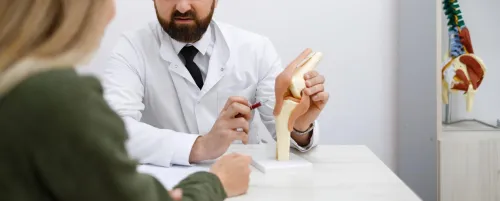
Dr. Santosh Pandey evaluates a wide range of paediatric orthopaedic conditions with a focus on protecting healthy bone development while recommending age-appropriate treatment.
Keywords